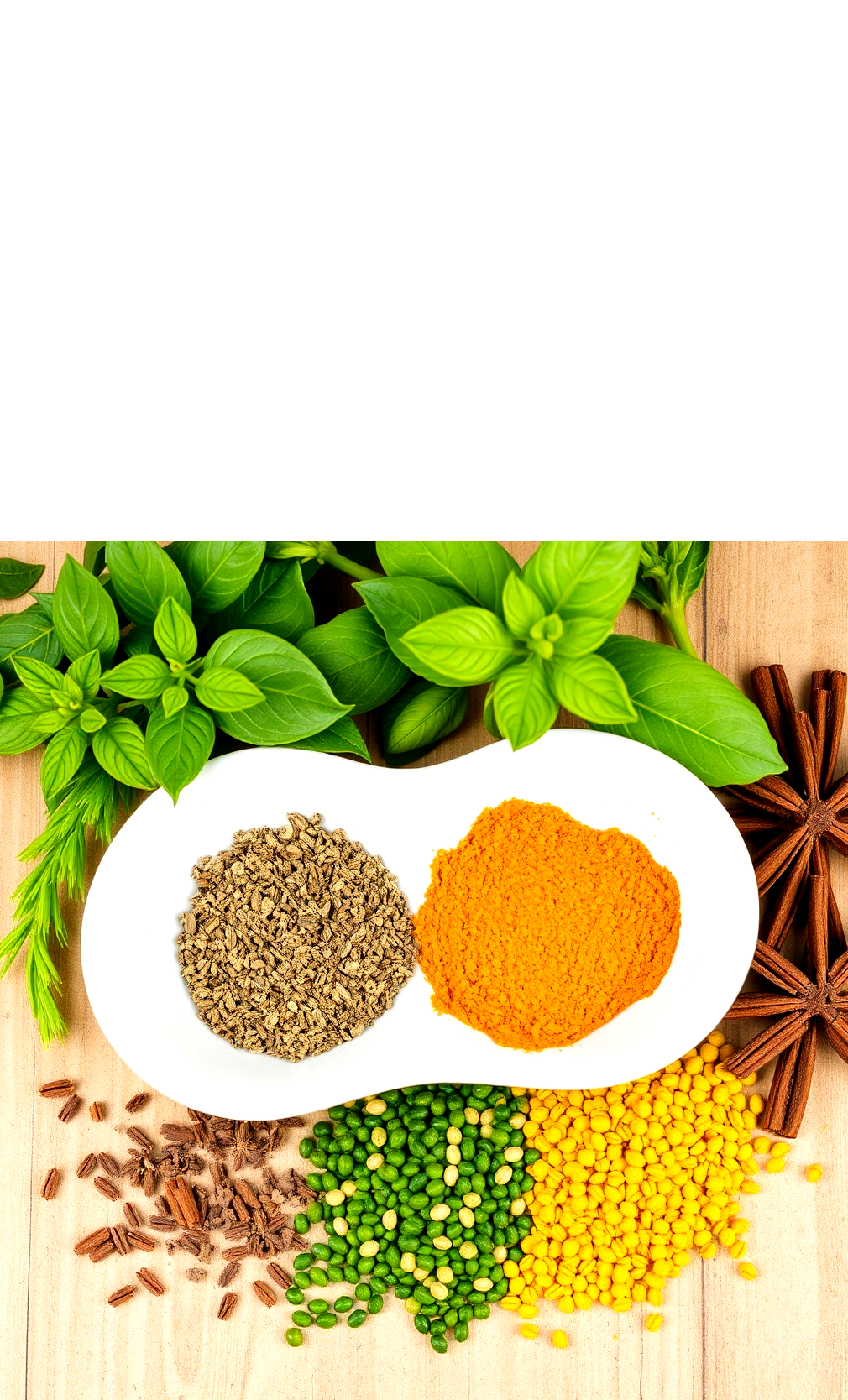
• Over the years, many have turned to natural remedies to enhance their immune system effectively. By incorporating turmeric, elderberry, and echinacea into your daily routine, you can support your body’s defenses against illness. These powerful ingredients are rich in antioxidants and possess anti-inflammatory properties, aiding in keeping you healthy. In this guide, you’ll discover practical tips on how to easily integrate these natural boosters into your lifestyle for optimal benefits.

    Understanding Immunity

    Your body’s ability to fight off infections relies heavily on its immune system. This complex network of cells, tissues, and organs works tirelessly to identify and destroy pathogens such as bacteria, viruses, and other harmful agents. When functioning properly, your immune system can heal and protect you from various diseases, ensuring a healthier life.

    What is Immunity?

    Immunity refers to the body’s defense mechanisms against pathogens. It encompasses innate immunity, which is your first line of defense and reacts quickly to invaders, and adaptive immunity, which develops over time and learns to recognize specific threats. Understanding these components helps you appreciate how your body works to maintain health.

    Factors Affecting Immune Function

    Several factors can influence your immune function, impacting its efficiency. Key aspects include your diet, stress levels, sleep quality, and physical activity. For optimal performance, it’s imperative to cultivate a lifestyle that supports immune health.

    • Diet – A balanced diet rich in vitamins and minerals is vital.
    • Stress – Chronic stress can weaken your immune response.
    • Sleep – Quality sleep is imperative for recovery and immune function.
    • Exercise – Regular physical activity boosts immune resilience.

    In addition to those factors, the aging process can gradually diminish your immune system efficiency. Environmental influences such as pollution and exposure to toxins also play significant roles. Moreover, certain medical conditions can compromise your defenses, making it imperative to monitor and adapt your lifestyle accordingly. The embodiment of these factors reflects your overall health and ability to fend off illness.

    • Aging – Immune response tends to weaken with age.
    • Environmental Toxins – These can adversely affect immune function.
    • Medical Conditions – Chronic illnesses may hinder immune effectiveness.
    • Lifestyle Choices – Your daily choices impact your immune health immensely.

    Turmeric: The Golden Spice

    Turmeric, often referred to as the “golden spice,” has been celebrated for centuries for its potent health benefits, particularly its role in enhancing immune function. The active ingredient in turmeric, curcumin, is recognized for its anti-inflammatory and antioxidant properties, making it a powerful ally in your fight against illness. This vibrant yellow spice not only adds flavor to dishes but also contributes significantly to your overall well-being.

    Active Compounds and Their Benefits

    The key active compound in turmeric, curcumin, exhibits remarkable health benefits, including enhancing immune response by regulating the activity of immune cells. Research has shown that curcumin can help to modulate the body’s inflammatory responses, thereby reducing the risk of chronic diseases. Its antioxidant properties also combat oxidative stress, further fortifying your immune system.

    How to Incorporate Turmeric into Your Diet

    Incorporating turmeric into your diet is both easy and versatile. You can add it to soups, smoothies, or stews for an earthy flavor, or mix it with black pepper and oil to increase curcumin absorption. Consider making a turmeric latte or “golden milk” by mixing turmeric with milk and spices, creating a warming beverage that enhances your immune health.

    To truly benefit from turmeric, aim to include it in your meals regularly. You might cook with it in stir-fries, sprinkle it on roasted vegetables, or blend it into salad dressings. Adding a dash of black pepper significantly boosts the absorption of curcumin, making your dishes not only delicious but also more medicinal. For a quick health boost, try a turmeric shot—mix turmeric powder or fresh turmeric with ginger and lemon juice for an invigorating start to your day.

    Elderberry: A Natural Antiviral

    Elderberry is renowned for its potent antiviral properties, especially against influenza and other viral infections. Rich in antioxidants and vitamins, it works to enhance your immune response, effectively shortening the duration of illness when taken at the onset of symptoms. Studies suggest that elderberry may inhibit viral replication and reduce inflammation, making it a powerful ally in maintaining health during cold and flu season.

    Benefits of Elderberry for Immune Health

    Incorporating elderberry into your diet can significantly boost your immune health. Its high levels of flavonoids and vitamins A and C contribute to your body’s defense mechanisms, helping to ameliorate symptoms associated with respiratory infections. Research has shown that elderberry can reduce the severity and duration of cold and flu symptoms by as much as four days, ensuring you stay on your feet.

    Tips for Using Elderberry Supplementation

    When considering elderberry supplementation, choose a product that is standardized for active compounds to ensure efficacy. A common dosage is 300-500 mg of elderberry extract taken twice daily, especially during peak cold and flu seasons. Additionally, you can incorporate elderberry syrups, gummies, or teas into your routine for added convenience.

    • Elderberry
    • immune health
    • antiviral

    Recognizing the many forms of elderberry products available can help you select the right one for your needs. From syrup to capsules, each form has its own benefits, allowing you to easily incorporate elderberry into your health regimen.

    • Elderberry products
    • dosage
    • health regimen

    Recognizing the importance of proper dosage and quality when selecting elderberry can enhance your supplementation experience. Always consult with a healthcare provider before starting any new herbal supplements, particularly if you have existing health conditions or are taking other medications, to avoid potential interactions.

    Echinacea: The Immune Booster

    Echinacea is a popular herbal remedy well-known for its ability to enhance your immune system. This vibrant flower not only helps in reducing the duration of colds but also stimulates the production of white blood cells, which are vital for fighting infections. Many people find that incorporating Echinacea into their routine can lead to fewer sick days and a quicker recovery when illness strikes.

    How Echinacea Works

    Echinacea contains active compounds like polysaccharides, glycoproteins, and flavonoids that interact with your immune system. These components can boost the activity of immune cells, helping your body respond more effectively to pathogens. By enhancing your immune response, Echinacea helps you ward off infections and can decrease the severity and duration of cold symptoms.

    Dosage Recommendations and Best Practices

    A typical dosage of Echinacea for adults is 300-500 mg of an extract three times daily. If you’re using dried root or tea, aim for 2-3 grams per day. It’s advisable to start at the onset of symptoms, particularly during cold and flu season, for optimal benefits. Long-term use is not recommended; limit your intake to 6-8 weeks, taking breaks in between cycles.

    For best results with Echinacea, opt for standardized extracts that contain a consistent amount of active ingredients. When deciding on a product, choose one that specifies the parts of the plant used (flowers, leaves, or roots), as different parts have varying concentrations of beneficial compounds. Always consult with a healthcare professional before starting any new supplement, particularly if you have existing health conditions or are taking other medications.

    Combining Natural Remedies

    By integrating turmeric, elderberry, and echinacea into your daily routine, you can enhance the overall effectiveness of each herb. Using these remedies in tandem allows you to synergize their strengths, providing a more comprehensive approach to support your immunity. An effective combination bolsters the body’s natural defenses and combats various pathogens with more power than any single remedy alone.

    Creating a Holistic Immune Support Plan

    To create a holistic immune support plan, you need to incorporate turmeric, elderberry, and echinacea into your diet while also balancing nutrition and lifestyle factors. Focus on a diet rich in fruits and vegetables, stay hydrated, manage stress through activities like yoga or meditation, and ensure you get adequate sleep. This integrated approach will support your immune system and enhance the effects of these powerful herbs.

    Tips for Combining Turmeric, Elderberry, and Echinacea

    Combining turmeric, elderberry, and echinacea can be seamless when you incorporate them in various forms—like teas, tinctures, or supplements. Start by taking turmeric with black pepper to enhance absorption, add elderberry syrup for its antiviral properties, and use echinacea to stimulate your immune response. Knowing the right measurements and timings for consumption can lead to a more effective immune support regimen.

    • turmeric
    • elderberry
    • echinacea

    When combining these remedies, consider the forms they come in, such as teas or capsules, while ensuring that you maintain proper dosages. For example, taking turmeric in a smoothie or warming it as a tea with elderberry provides an enjoyable way to consume these nutrients. Additionally, consult with a healthcare provider about including echinacea during cold seasons for optimal benefits. Knowing the ideal combinations and their timings will maximize your immune-boosting efforts.

    • turmeric
    • elderberry
    • echinacea

    Lifestyle Factors for Immune Health

    To optimize your immune health, several lifestyle factors play a significant role. Engaging in regular exercise, maintaining hydration, and practicing mindfulness can create a supportive environment for your immune system. Consider these key aspects:

    • Healthy Diet: Consume a variety of nutrient-rich foods.
    • Regular Exercise: Aim for at least 150 minutes weekly.
    • Stress Management: Incorporate relaxation techniques to lower stress levels.
    • Hydration: Drink plenty of water daily.

    Assume that these practices will significantly enhance your body’s defenses against illness.

    Diet and Nutrition

    Your diet and nutrition are fundamental to boosting immunity. A diet rich in vitamins, minerals, and antioxidants helps strengthen your immune response. Include a variety of colorful fruits and vegetables, whole grains, lean proteins, and healthy fats to provide necessary nutrients. Pay attention to foods high in vitamin C, zinc, and omega-3 fatty acids which all contribute to a robust immune system.

    Importance of Sleep and Stress Management

    Adequate sleep and effective stress management are vital for maintaining your immune strength. Lack of sleep can disrupt your body’s ability to produce cytokines, proteins that target infection and inflammation. Furthermore, chronic stress can lead to increased levels of cortisol, which negatively impacts your immune response. Prioritize restful sleep and stress-reduction techniques like meditation or yoga to support your overall health.

    Insufficient sleep has far-reaching effects beyond just tiredness; studies show that adults need 7-9 hours for optimal immune function. When stressed, your body releases hormones that can lead to inflammation and suppress immune activity. Implementing a consistent sleep schedule and engaging in regular physical activity can significantly reduce stress levels and promote better sleep quality. Mindfulness practices, such as journaling or deep-breathing exercises, also offer tangible benefits. Prioritize your sleep and actively manage stress to defend your body against illnesses more effectively.

    Summing up

    To wrap up, incorporating turmeric, elderberry, and echinacea into your daily routine can significantly enhance your immune system naturally. Turmeric’s anti-inflammatory properties, elderberry’s rich antioxidant content, and echinacea’s ability to stimulate immune response work synergistically to support your health. By integrating these powerful ingredients into your diet, you can better prepare your body to fend off illnesses and maintain overall well-being.

    If you want more information on how herbs and spices can improve your health, just click the link to discover a series of easy-reading, science-based eBooks:

    http://www.raymondmathiesenauthor.com

  • Chamomile is renowned for its soothing properties, making it an excellent choice for creating a calm mind. By incorporating chamomile and lavender aromatherapy into your routine, you can effectively reduce stress and anxiety while promoting relaxation. This guide will walk you through the imperative steps to harness the therapeutic benefits of these powerful herbs, helping you to achieve a tranquil state of mind. Embrace the art of aromatherapy and transform your environment into a serene sanctuary.

    Understanding Aromatherapy

    Aromatherapy encompasses the use of important oils to enhance physical and emotional well-being. This holistic practice taps into the sense of smell to influence mood, reduce stress, and promote relaxation. Through the inhalation of scents or topical application, you can harness the benefits of natural plant extracts, creating a calming environment in your daily life.

    What is Aromatherapy?

    Aromatherapy is a therapeutic practice that utilizes important oils derived from plants to improve health and well-being. By stimulating the olfactory system, these oils can evoke a range of emotional and physiological responses. You may find specific scents effective for alleviating anxiety, enhancing focus, or promoting sleep, depending on the important oils used.

    Benefits of Chamomile and Lavender

    Chamomile and lavender are two of the most popular important oils in aromatherapy, particularly for their ability to foster relaxation and tranquility. Chamomile is known for its anti-anxiety and sleep-inducing properties, while lavender has been shown to reduce stress and enhance mood. Integrating these oils into your routine can significantly improve your mental clarity and emotional balance.

    When using chamomile, you may experience heightened feelings of relaxation, which can enhance your nighttime routine. Studies indicate that inhaling chamomile aroma can lead to reduced levels of sleep disorders and anxiety. Similarly, lavender’s efficacy in reducing heart rate and blood pressure further solidifies its role in creating a peaceful atmosphere. By combining both, you can create a powerful synergy that not only calms your mind but also elevates your overall well-being.

    Preparing for Aromatherapy

    Preparing your space for aromatherapy is important to fully benefit from the calming properties of chamomile and lavender. Start by selecting a quiet area where you can relax without distractions. Gather your important oils, a diffuser or oil burner, and any other tools you would like to use, such as candles or soft lighting. Set aside at least 30 minutes to immerse yourself in the experience, allowing your mind and body the time to unwind.

    Choosing Essential Oils

    Selecting high-quality important oils enhances your aromatherapy experience. Look for pure chamomile and lavender oils, preferably organic or therapeutic-grade. Check for proper sourcing and verify that the oils are free from additives or synthetic components. While chamomile promotes relaxation, lavender is known for its calming effects, making them a perfect combination for achieving a serene atmosphere.

    Creating the Right Atmosphere

    Crafting the ideal ambiance is pivotal for effective aromatherapy. Begin by dimming the lights or using soft lighting to create a relaxed mood. Consider playing soft, calming music or nature sounds to further enhance the environment. Arrange cushions or blankets to create a comfortable seating area, inviting you to settle in and breathe deeply. Ensure the room is well-ventilated to allow the diffusion of scents without overwhelming your senses.

    In addition to lighting and sound, pay attention to the overall cleanliness and organization of your space. A tidy area can significantly impact your mental state, promoting feelings of tranquility. Use items like soothing colors for decor or soft textiles that evoke warmth and comfort. Integrating elements such as plants can further enhance your connection to nature, elevating the calming experience provided by chamomile and lavender important oils. All these factors contribute to an inviting atmosphere, ultimately helping you achieve a calm mind.

    How to Use Chamomile and Lavender

    Incorporating chamomile and lavender into your routine is simple yet effective. You can use these calming scents in various ways, catering to your personal preferences and lifestyle. From diffusing necessary oils to enjoying a relaxing bath, the options are versatile and accessible, allowing you to create a serene environment wherever you are.

    Aromatherapy Diffusion

    To enjoy the full benefits of chamomile and lavender, consider using an aromatherapy diffuser. Add a few drops of each necessary oil to the water, and let the diffuser release a gentle mist into the air. This method not only enhances your space’s ambiance but also allows the calming aromas to envelop you, promoting relaxation and reducing stress throughout the day.

    Chamomile and Lavender in Baths

    Enhance your bathing experience by adding chamomile and lavender oils to your bathwater. A tranquil soak infused with these oils creates a soothing atmosphere, eases muscle tension, and encourages a peaceful night’s sleep. For the best results, blend a few drops of each oil with a carrier oil before adding them to warm water.

    When using chamomile and lavender in your bath, aim for about 5-10 drops of necessary oil combined with a carrier such as coconut or jojoba oil to prevent skin irritation. The warm water opens your pores, allowing the necessary oils to absorb effectively, enhancing relaxation and calming the mind. This practice not only aids in stress relief but also promotes a deeper, more restful sleep, making it a perfect nighttime ritual. You can further elevate this experience by adding Epsom salts, which can relieve muscle soreness while the combined aromas work to calm your spirit.

    Tips for Enhancing Calmness

    To further enhance your calmness through aromatherapy, consider these effective tips:

    • Integrate chamomile and lavender important oils into a relaxing evening routine.
    • Create a serene atmosphere by dimming the lights and playing soft music.
    • Utilize diffusers or personal inhalers for targeted scent delivery.
    • Engage in deep breathing exercises while enjoying the soothing aromas.

    Thou will find these practices amplify your peace and tranquility.

    Incorporating Mindfulness

    Integrating mindfulness with your use of chamomile and lavender can significantly deepen your relaxation experience. Focus your thoughts on your breathing, allowing each inhale to draw in calmness and each exhale to release tension. This practice not only enhances the aromatic benefits but also encourages present-moment awareness, creating a more enriching aromatherapy session.

    Daily Rituals for Peace

    Establishing daily rituals can cultivate a consistent sense of peace. Set aside dedicated time each day to engage with chamomile and lavender through rituals such as morning meditations or evening baths. Aim for at least 15 minutes of uninterrupted time to fully immerse yourself in this calming process.

    In the morning, you might diffuse lavender oil while enjoying a cup of chamomile tea, setting a serene tone for your day. In the evening, consider a warm bath infused with chamomile bath salts or lavender important oil, creating a sanctuary for unwinding. These rituals provide regular touchpoints for peace amidst the chaos of daily life, making it easier for you to cultivate a calm mindset consistently. Consequentially, incorporating these simple practices transforms your environment into a haven of tranquility, continually fostering your ability to stay grounded and relaxed.

    Factors Influencing Effectiveness

    The effectiveness of chamomile and lavender aromatherapy is influenced by various factors. Key elements include personal preferences, environmental conditions, and method of application. Each individual reacts differently to scents, which can enhance or diminish the overall experience. Additionally, the purity of the oils and their concentration levels play significant roles. Perceiving these elements can help tailor your aromatherapy sessions for optimal results.

    Personal Preferences

    Your personal preferences significantly shape how chamomile and lavender impact your calmness. Some may find a stronger scent more effective, while others prefer a subtler aroma. Factors such as your past experiences with these scents, your mood, and even your cultural background can all influence how you perceive their calming effects.

    Environmental Considerations

    The environment in which you use aromatherapy is vital to its effectiveness. A quiet, clutter-free space will enhance the calming properties of chamomile and lavender, while distractions can diminish their benefits. Lighting, temperature, and even your physical comfort contribute to how well you receive these scents.

    For instance, studies show that elements like ambient noise can interfere with the calming effects of aromatherapy. A room with soft lighting and comfortable seating can create an optimal setting to enjoy chamomile and lavender. Furthermore, ensuring good ventilation allows the crucial oils to disperse and interact effectively with your environment, maximizing their soothing benefits. Choosing an environment that feels secure and tranquil aligns your mindset for relaxation and mindfulness, enhancing the aromatherapy experience.

    Troubleshooting Common Issues

    Even with the best preparations, you may encounter some challenges when using chamomile and lavender aromatherapy. This section addresses common issues that arise and provides solutions. For example, if you notice diminished effects or unpleasant reactions, adjustments in dosages or application methods may be necessary. Be proactive in identifying any discomfort, as this approach will enhance your aromatherapy experience.

    Dealing with Sensitivities

    If you experience sensitivities to crucial oils, consider starting with lower concentrations or diluted forms of chamomile and lavender. Monitor your body’s response and gradually increase the amount if well-tolerated. Using a carrier oil can also alleviate potential irritation on the skin, ensuring a more comfortable application.

    Ensuring Proper Usage

    Proper usage of chamomile and lavender crucial oils is crucial for maximizing their benefits. Always refer to recommended dilution ratios; for instance, a general guideline is to mix 2-3 drops of crucial oil with a teaspoon of carrier oil. This minimizes potential skin irritation. Furthermore, investing in quality oils from reputable sources assures you of their potency and purity, enhancing your aromatherapy sessions.

    To wrap up

    On the whole, by incorporating chamomile and lavender aromatherapy into your daily routine, you can effectively cultivate a calm mind. Both fragrances are known for their soothing properties, helping to reduce anxiety and promote relaxation. You can use imperative oils in a diffuser, add them to your bath, or apply them topically to enhance your emotional well-being. By prioritizing these natural remedies, you empower yourself to create a more peaceful environment and improve your overall mental clarity.

    If you want more information on how herbs and spices can improve your health, just click the link to discover a series of easy-reading, science-based eBooks:

    http://www.raymondmathiesenauthor.com

  • Ashwagandha is a powerful adaptogen known for its ability to combat stress and promote mental balance. By incorporating this potent herb into your daily routine, you can effectively manage anxiety and enhance your overall well-being. Understanding the right dosages, methods of consumption, and potential side effects can help you tap into its full benefits, ensuring optimal results while avoiding any negative impacts on your health. In this guide, you will discover practical ways to harness the power of Ashwagandha for greater peace and balance in your life.

    Understanding Ashwagandha

    What is Ashwagandha?

    Ashwagandha, scientifically known as Withania somnifera, is a herb commonly used in Ayurveda, the traditional Indian system of medicine. This adaptogenic plant has been utilized for centuries to enhance vitality and promote overall wellness. Its properties help your body manage stress by regulating cortisol levels, thereby supporting both physical and mental health.

    The Science Behind Stress Relief

    Research indicates that ashwagandha may significantly reduce stress and anxiety. Studies show that individuals taking ashwagandha extract experienced up to a 30% reduction in stress levels compared to placebo groups. This effect is primarily due to the herb’s influence on cortisol, a hormone directly linked to stress responses.

    The mechanisms of ashwagandha’s effectiveness unfold at the cellular level, where it acts to balance the hypothalamic-pituitary-adrenal (HPA) axis, which regulates your body’s stress response. A notable study published in the Journal of Clinical Psychiatry highlighted that participants who took ashwagandha extract showed significant reductions in anxiety and insomnia, while enhancing overall mood. This supports the notion that incorporating ashwagandha into your daily routine could play a vital role in cultivating mental resilience and fostering emotional balance.

    How to Incorporate Ashwagandha into Your Routine

    To effectively integrate ashwagandha into your daily life, start by selecting the right time and method for consumption. You can take it in the morning with breakfast or before bed to promote relaxation. Consistency is key, so aim for daily intake to experience the full benefits. Consider pairing ashwagandha with other adaptogens or supportive nutrients for enhanced effects, ensuring you monitor your body’s responses to adjust accordingly.

    Dosage Guidelines

    The typical dosage of ashwagandha ranges from 300 mg to 600 mg of a standardized extract, taken once or twice daily. Always start with the lower end of the spectrum to assess your tolerance, gradually increasing the dose as needed. Speaking with a healthcare professional, especially if you have underlying health conditions or are pregnant, ensures safe usage.

    Best Forms of Ashwagandha

    Ashwagandha is available in various forms, including capsules, powders, and tinctures. Capsules offer convenience, while powders can be easily added to smoothies or meals. Tinctures provide rapid absorption, helping you feel the benefits more quickly.

    When choosing the best form for your lifestyle, consider your preferences. If convenience is a priority, capsules are ideal for on-the-go support. If you enjoy smoothies or cooking, the powder form allows for versatility. Tinctures, typically in liquid form, are absorbed faster, making them suitable for those needing immediate stress relief. It’s necessary to choose high-quality products with a guaranteed concentration of active ingredients for optimal results.

    Tips for Maximizing Benefits

    To fully harness the power of ashwagandha, consider these strategies: prioritize high-quality supplements, maintain consistency in your routine, and pair it with proper nutrition. Monitor your stress levels and adjust the dosage as needed, ideally under professional guidance. Ensure you’re incorporating stress-reducing practices like meditation or yoga. Finally, stay hydrated to support overall wellness. Perceiving these holistic approaches can enhance the benefits of ashwagandha significantly.

    Timing and Frequency

    Your timing and frequency when taking ashwagandha can influence its effectiveness. It’s often recommended to take it once or twice daily, ideally with meals to improve absorption. Consistency is key, so establish a routine to help your body acclimate. Monitor your response and consider adjustments based on your stress levels and daily demands.

    Combining with Other Adaptogens

    Integration of ashwagandha with other adaptogens can amplify its stress-relieving effects. Pairing it with herbs like rhodiola or holy basil helps create a synergistic response, enhancing your emotional balance and resilience under pressure. This combination can provide a holistic approach to managing stress and support overall well-being.

    When combining ashwagandha with other adaptogens, consider your specific needs. For instance, while rhodiola is known for its energizing properties, it complements ashwagandha’s calming effects. The dual approach balances energy and relaxation, which is beneficial during high-stress periods. Look for products that include synergistic blends or consult with a health professional for personalized advice, ensuring optimal benefits from both the adaptogens you choose.

    Factors Affecting Effectiveness

    The effectiveness of ashwagandha can be influenced by various factors, including the quality of the supplement, your unique physiology, and lifestyle habits. Here are key elements to consider:

    • Supplement Quality: Choose products verified by third-party testing.
    • Dosing: Optimal dosages can vary; consult guidelines or a health professional.
    • Absorption: Consider formulations that enhance absorption, like those combined with fat.
    • Consistency: Regular intake is necessary for long-term benefits.

    Knowing these factors can help maximize the benefits you receive from ashwagandha.

    Individual Health Considerations

    Your personal health status plays a pivotal role in how ashwagandha affects you. Conditions such as hormonal imbalances or chronic illnesses can impact its effectiveness. If you’re pregnant, nursing, or on specific medications, your body’s response may vary significantly, making it necessary to consult a healthcare provider before starting.

    Lifestyle Choices

    Your lifestyle choices dramatically influence the impact of ashwagandha. Healthy habits such as balanced nutrition, regular exercise, and adequate sleep enhance its stress-relief properties. For instance, incorporating stress-reducing practices like yoga or mindfulness can complement the benefits of ashwagandha. Additionally, limiting alcohol consumption and avoiding excessive caffeine can further support your body’s stress management.

    Incorporating ashwagandha effectively requires you to consider your overall lifestyle. Engaging in consistent physical activity not only reduces stress levels but also improves your body’s capacity to absorb and utilize the benefits of ashwagandha. Enhancing your sleep routine can optimize hormone balance, while maintaining a nutritious diet rich in vitamins can promote your overall mental well-being. Together, these choices create a harmonious environment for ashwagandha’s therapeutic effects to thrive.

    Potential Side Effects and Precautions

    Ashwagandha is generally safe for most people, but it’s important to be aware of potential side effects and precautions to ensure a positive experience. If you are pregnant, nursing, or have underlying health conditions, consult with a healthcare professional before starting ashwagandha. Dosage also plays a key role; exceeding recommended amounts can lead to adverse effects.

    Common Side Effects

    Some individuals may experience gastrointestinal upset, including diarrhea or nausea, when taking ashwagandha. Additionally, it might cause drowsiness in some, particularly in higher doses. Other less common effects may include headaches or changes in appetite.

    When to Consult a Healthcare Professional

    Consult a healthcare professional if you experience persistent side effects, have a pre-existing medical condition, or are on medications that could interact with ashwagandha. It’s especially important to seek guidance if you are planning to undergo surgery or if you experience unusual symptoms.

    Engaging with a healthcare professional is vital if you notice significant changes in your health while taking ashwagandha. For example, if you start feeling excessively drowsy, or if gastrointestinal issues arise after beginning supplementation, these are indications that you should seek professional advice. Also, individuals with thyroid issues, diabetes, or autoimmune diseases should proactively discuss their use of ashwagandha to avoid complications that could impact their treatment or condition management.

    Additional Stress Relief Techniques

    Incorporating additional stress relief techniques can enhance the effectiveness of ashwagandha. These methods, including mindfulness practices, physical activity, and proper nutrition, complement herbal supplementation and foster overall well-being. By combining these approaches, you can create a holistic strategy that not only alleviates stress but also promotes balance in your daily life.

    Mindfulness and Meditation

    Practicing mindfulness and meditation can significantly reduce stress levels. Engaging in just 10–20 minutes of daily meditation has been shown to lower cortisol, the stress hormone. Techniques such as deep breathing, visualization, or guided sessions help create a calm mental state, enabling you to navigate stressors with greater ease and clarity.

    Physical Activity and Nutrition

    Regular physical activity and a balanced diet play crucial roles in managing stress. Exercising for at least 30 minutes, five times a week, can boost endorphins, leading to improved mood and reduced anxiety. Additionally, consuming a diet rich in whole foods, healthy fats, and lean proteins nourishes your body and brain, allowing you to cope better with stress.

    Engaging in physical activity such as walking, jogging, or yoga not only lifts your spirits but also enhances blood flow and energy levels. Combine this with a diet that emphasizes fruits, vegetables, whole grains, and omega-3 fatty acids, which have been linked to reduced inflammation and improved mood. Studies indicate that foods like salmon, walnuts, and leafy greens can mitigate stress responses. Therefore, pairing nutritional choices with consistent exercise will fortify your resilience against stress and improve overall mental health.

    Final Words

    Now that you understand how to harness the power of ashwagandha for stress relief and balance, you can effectively incorporate it into your daily routine. By choosing the right form, dosage, and timing, you can maximize its benefits for your mental and physical well-being. Monitor your body’s responses, and consult a healthcare professional if needed. With consistent use, ashwagandha can be a valuable ally in achieving a more balanced and stress-free life.

    If you want more information on how herbs and spices can improve your health, just click the link to discover a series of easy-reading, science-based eBooks:

    http://www.raymondmathiesenauthor.com

  • Wellness begins with intentional choices, and incorporating turmeric ginger tea into your daily routine can significantly enhance your health. This potent beverage is packed with anti-inflammatory properties and antioxidants, making it an excellent addition to your wellness regimen. In this guide, you’ll learn simple steps to prepare this revitalizing drink and how to leverage its benefits for improved digestion, mood, and overall vitality. Start your journey to a healthier you by mastering this daily ritual.

    Understanding the Benefits of Turmeric Ginger Tea

    Turmeric ginger tea combines the potent health benefits of both turmeric and ginger, offering a powerhouse of nutrients that support your overall wellness. Rich in antioxidants and anti-inflammatory properties, this herbal infusion promotes not only physical health but also mental clarity. Regular consumption can enhance digestion, boost immunity, and even elevate your mood, making it an imperative part of your daily routine.

    Health Benefits of Turmeric

    Turmeric is renowned for its active compound, curcumin, which possesses powerful anti-inflammatory and antioxidant properties. Regular intake can aid in reducing chronic pain, improving heart health, and potentially lowering the risk of various diseases, including cancer. Incorporating turmeric into your daily regimen can significantly enhance your overall well-being.

    Health Benefits of Ginger

    Ginger boasts numerous health advantages, primarily due to its anti-inflammatory and digestive properties. It can effectively alleviate nausea, reduce muscle pain, and improve digestion. Regularly consuming ginger may also support your immune system, offering protection against common colds and infections.

    Furthermore, studies have shown that ginger can help reduce menstrual pain, lower blood sugar levels, and improve heart health by lowering cholesterol levels. Its bioactive compounds work synergistically to enhance circulation and may even contribute to weight loss. By adding ginger to your daily wellness routine, you gain a versatile ingredient that not only improves your tea’s flavor but also boosts your health dramatically.

    How to Brew the Perfect Turmeric Ginger Tea

    Brewing the perfect turmeric ginger tea involves a harmonious balance of flavors and health benefits. Once you gather your ingredients and follow the brewing process, you’ll create a warm, inviting beverage that supports your wellness routine. The rich, golden hue of this tea reflects its powerful properties, blending spicy ginger with the earthy notes of turmeric.

    Ingredients You’ll Need

    For a delightful brew, gather the following ingredients: fresh ginger, turmeric root (or powder), water, honey (optional), and lemon juice (optional). Each component plays a vital role in enhancing the flavor while maximizing the health benefits. Using organic ingredients ensures you’re consuming the purest form of these healing roots.

    Ingredients

    Fresh Ginger 2 inches, peeled and sliced
    Turmeric Root (or Powder) 1-2 inches or 1 tsp powder
    Water 2 cups
    Honey (optional) 1-2 teaspoons
    Lemon Juice (optional) 1 tablespoon

    Step-by-Step Brewing Process

    Start by bringing the water to a boil. Add the sliced ginger and turmeric, then reduce the heat and let it simmer for about 10-15 minutes. Strain the mixture into your favorite cup and stir in honey and lemon juice for added flavor and health benefits. Enjoy your freshly brewed tea warm, or allow it to cool for a refreshing iced version.

    Brewing Process Steps

    Step 1 Bring water to a boil.
    Step 2 Add ginger and turmeric, then reduce heat.
    Step 3 Simmer for 10-15 minutes.
    Step 4 Strain into a cup.
    Step 5 Stir in honey and lemon juice (optional).

    In the brewing process, using fresh turmeric and ginger significantly enhances the flavor and potency of your tea. Adjust the brewing time based on your taste preference; longer steeping intensifies the earthy flavors while maintaining the health benefits. If you opt for powdered turmeric, be mindful to stir thoroughly, as it tends to settle at the bottom. Your golden elixir is ready to nurture your body as part of your daily wellness ritual.

    Tips for Incorporating Turmeric Ginger Tea into Your Daily Routine

    Incorporating turmeric ginger tea into your daily routine is simple and rewarding. Start by setting a specific time each day to brew your tea, allowing it to become a cherished ritual. You can also enhance your tea with a splash of honey or a squeeze of lemon for added flavor and health benefits. To optimize its effects, drink it on an empty stomach first thing in the morning or after meals during the day. Utilize these strategies to seamlessly blend this wellness powerhouse into your life:

    • Set a daily reminder to drink your tea.
    • Experiment with additional ingredients like lemon or honey.
    • Brew a larger batch and store it for convenience.
    • Pair your tea with mindfulness practices.

    Recognizing the potential of turmeric ginger tea can enhance your wellness journey.

    Best Times to Drink

    The best times to drink your turmeric ginger tea are early in the morning or before bed. Starting your day with this warm beverage can kickstart your metabolism and boost your immune system, thanks to the anti-inflammatory properties of turmeric and ginger. Additionally, enjoying caffeine-free tea in the evening can promote relaxation and provide digestive support, ensuring a restful night for your body.

    Pairing with Other Wellness Practices

    Pairing turmeric ginger tea with other wellness practices amplifies its health benefits and enhances your overall routine. Consider integrating yoga, meditation, or deep breathing exercises into your day along with your tea. This synergy can help reduce stress and improve mental clarity, making your wellness journey more holistic. Engage in gratitude journaling or gentle stretches while sipping your tea to create a mindful moment that nourishes both body and mind.

    Factors to Consider When Using Turmeric Ginger Tea

    When incorporating turmeric ginger tea into your wellness routine, consider several factors that impact its effectiveness and your overall experience.

    • Dosage plays a key role in maximizing benefits.
    • Quality of ingredients ensures the potency of compounds.
    • Personal health conditions may influence your compatibility with this tea.
    • Interactions with medications can pose risks to your health.

    This attention to detail will enhance your wellness journey.

    Dosage Recommendations

    For optimal benefits, aim for 1-2 cups of turmeric ginger tea daily. Each serving should ideally contain about 1 teaspoon of ground turmeric and a similar amount of fresh ginger. Adjusting your intake based on your body’s response is advisable, particularly if you are just starting.

    Potential Side Effects

    While turmeric ginger tea is generally safe, some individuals may experience mild side effects. These can include digestive upset, heartburn, or allergic reactions in sensitive individuals. Monitoring how your body reacts upon consumption is important.

    In some cases, high amounts of turmeric can lead to more pronounced side effects such as gastrointestinal issues or increased bleeding risk, especially if you are on anticoagulants. Pregnant or breastfeeding women should consult their healthcare provider before use. Keep an eye on your overall health and adapt your intake to mitigate any adverse reactions you may encounter.

    Enhancing Your Tea Experience

    To truly elevate your turmeric ginger tea experience, consider the various ways you can enhance its flavor and nutritional value. From experimenting with spices to integrating complementary ingredients, you can create a more personalized beverage that suits your palate and wellness goals.

    Flavor Variations

    Spice up your turmeric ginger tea by incorporating different flavors. You might add a touch of cinnamon for warmth, a squeeze of fresh lemon juice for brightness, or a dash of vanilla extract for sweetness. Each addition brings a unique twist, enhancing both the taste and aroma of your tea, allowing you to discover a new favorite blend.

    Adding Nutritional Boosts

    To further enhance your tea, consider incorporating nutritional boosters like honey for its antimicrobial properties, lemon for vitamin C, or even chia seeds for added fiber and omega-3 fatty acids. These ingredients not only elevate the flavor but also provide additional health benefits that align with your wellness routine.

    Adding these nutritional boosts can transform your tea from a simple beverage into a health powerhouse. For instance, honey not only sweetens your tea, but it also serves as a natural cough suppressant and offers soothing benefits for your throat. Infusing a tablespoon of chia seeds adds a significant boost of fiber, promoting digestive health. You can also incorporate adaptogens like ashwagandha or maca powder, which are known for their stress-reducing properties, further supporting your overall wellness journey.

    Making Your Wellness Routine Sustainable

    To keep your wellness routine effective and enjoyable, focus on sustainability. Integrating turmeric ginger tea into your daily life should feel effortless rather than burdensome. Choose recipes and routines that not only fit within your lifestyle but also cater to your preferences. By making small adjustments and sticking to them, you’ll cultivate lasting habits that reinforce your well-being.

    Creating a Consistent Schedule

    Establishing a consistent schedule is key to making your wellness routine work. Aim to enjoy your turmeric ginger tea at the same time each day, whether it’s in the morning to kick-start your day or in the evening as a calming ritual. By anchoring this practice within your existing routine, it becomes a natural part of your day, making adherence more likely.

    Tracking Your Progress

    Tracking your progress helps you visualize the benefits of your wellness routine. Keeping a journal or using a digital app can give you insights into your mood, energy levels, and overall well-being. This will allow you to identify trends and adjustments needed to maximize the benefits you receive from your turmeric ginger tea.

    Document specific aspects of your experience, such as the times you drink your tea and how you feel afterward. For instance, if you notice improved energy levels or reduced inflammation on days you consistently consume the tea, this information can motivate you to maintain the routine. Consider incorporating mindfulness by jotting down how the tea impacts your mood and health week by week, thus creating a personal narrative of your wellness journey.

    Final Words

    Conclusively, incorporating turmeric ginger tea into your daily wellness routine can significantly enhance your overall health. By setting aside time each day to enjoy this anti-inflammatory beverage, you can boost your immune system, improve digestion, and promote relaxation. Experiment with different recipes to find the flavor that suits you best, and consider pairing it with mindful practices like meditation or gentle exercise. Your commitment to this simple yet powerful addition can lead to lasting health benefits and a more vibrant lifestyle.

    If you want more information on how herbs and spices can improve your health, just click the link to discover a series of easy-reading, science-based eBooks:

    http://www.raymondmathiesenauthor.com

  • Rhodiola Rosea is a powerful adaptogen that can significantly enhance your energy, focus, and endurance. By incorporating this herb into your routine, you can combat fatigue and improve mental clarity, making it an ideal choice for anyone looking to boost their performance. However, it’s crucial to use it correctly to maximize its benefits while minimizing any potential side effects. In this guide, you will learn effective methods to harness the power of Rhodiola Rosea for optimal results in both physical and mental pursuits.

    Understanding Rhodiola Rosea

    What is Rhodiola Rosea?

    Rhodiola Rosea, often referred to as Arctic root or golden root, is a perennial herb that grows in cold, mountainous regions of Europe and Asia. This adaptogen has been used for centuries in traditional medicine to help the body resist physical, chemical, and environmental stress. Its root contains bioactive compounds, such as rosavin and salidroside, which are believed to contribute to its health-boosting properties.

    Benefits for Energy and Focus

    Harnessing Rhodiola Rosea can amplify your energy levels and improve your focus. Studies have shown that this adaptogen can enhance your mental performance under stress by reducing fatigue and improving cognitive function. For example, in a study, participants taking Rhodiola reported a significant decrease in fatigue and enhanced concentration during demanding tasks.

    Rhodiola Rosea offers substantial benefits for energy and focus by balancing cortisol levels and improving oxygen utilization in the body. Research indicates that it can enhance athletic performance by increasing endurance, allowing you to push through longer workouts with less perceived exertion. The root’s constituents may also stimulate neurotransmitter production, such as serotonin and dopamine, which play significant roles in mood and cognitive clarity. Consequently, incorporating Rhodiola into your routine can help you tackle challenges more effectively and sustain your stamina throughout the day.

    How to Use Rhodiola Rosea

    To effectively utilize Rhodiola Rosea, you should consider factors like dosage, timing, and frequency. Start by incorporating it into your daily routine, gradually assessing your body’s response. This adaptogen can serve you best when used consistently, allowing its benefits to accumulate over time. For optimal results, pair Rhodiola with a balanced diet and adequate hydration to support your overall well-being.

    Recommended Dosages

    The typical dosage for Rhodiola Rosea ranges from 200 to 600 mg per day, depending on individual needs and the standardization of the extract. It’s advisable to start with a lower dose, such as 200 mg, and gradually increase as tolerated. Always consult a healthcare professional before beginning any supplement regimen.

    Timing and Frequency

    Timing is crucial for maximizing the benefits of Rhodiola Rosea. It’s best taken on an empty stomach, ideally in the morning, to help enhance energy levels and focus throughout your day. Depending on your schedule, you may divide your daily dosage into two servings.

    For those seeking improved endurance during workouts, consider taking Rhodiola Rosea about 30 to 60 minutes before exercise. This timing can heighten your physical performance and reduce fatigue. When integrating Rhodiola into your routine, consistency is key; try taking it daily at the same time to train your body to respond optimally. Pay attention to how you feel, and adjust the timing or dose to suit your specific goals.

    Tips for Maximizing Effectiveness

    To get the most out of Rhodiola Rosea, consider these tips: start with a low dose and gradually increase, take it on an empty stomach for optimal absorption, and avoid using it late in the day to prevent sleep disturbances. Dehydration can hinder energy gains, so stay hydrated. Track your mood and performance to assess your individual response. This simple approach can enhance your experience and benefits from Rhodiola.

    • Start with a low dose
    • Take on an empty stomach
    • Avoid late-day use to protect your sleep

    Combining with Other Supplements

    Pairing Rhodiola Rosea with other supplements can enhance its effects. For improved focus, consider combining it with caffeine, which may synergistically boost cognitive performance. Additionally, incorporating Omega-3 fatty acids can support brain health and reduce stress levels. Experimenting with different combinations can help you find your perfect stack. This approach can help you achieve optimal results.

    Lifestyle Factors to Consider

    Your overall lifestyle plays a significant role in maximizing the benefits of Rhodiola Rosea. Factors such as your diet, exercise routine, and sleep patterns can influence how well this herb works for you. Aim for a balanced diet rich in nutrients, maintain a consistent workout regimen, and prioritize quality sleep to enhance your body’s response. This comprehensive approach to wellness can amplify the energy and endurance you experience from Rhodiola.

    • Maintain a balanced diet
    • Prioritize quality sleep
    • Engage in a consistent exercise routine

    Incorporating healthy lifestyle practices plays a pivotal role in how effectively you experience the benefits of Rhodiola Rosea. Consuming a varied diet, rich in fruits, vegetables, and whole grains, can provide your body with the necessary nutrients needed to support energy levels. Regular physical activity not only helps boost your mood but also enhances endurance. Prioritizing restorative sleep is key, as it allows your body to recover and process the adaptogenic effects of Rhodiola. This holistic focus will ensure you get the best possible outcome from your supplementation.

    • Focus on a nutrient-rich diet
    • Engage in regular physical activity
    • Ensure restorative sleep

    Potential Side Effects and Considerations

    While Rhodiola Rosea is generally considered safe for most people, some may experience side effects such as dizziness, dry mouth, or gastrointestinal issues. It’s wise to start with a lower dosage and monitor your body’s response before increasing the amount. Additionally, some individuals report insomnia or irritability, especially if taken too late in the day.

    Who Should Avoid It

    Individuals with autoimmune disorders, such as multiple sclerosis or lupus, should avoid Rhodiola, as it may stimulate the immune system. Furthermore, pregnant or breastfeeding women should also steer clear due to limited safety data. If you experience any adverse effects, discontinue use and consult a healthcare professional.

    Possible Interactions with Medications

    Rhodiola Rosea can interact with various medications, particularly those affecting serotonin levels, such as antidepressants, leading to potential side effects like serotonin syndrome. It may also enhance the effects of blood thinners, increasing bleeding risk. Always inform your healthcare provider about any herbal supplements you are taking to avoid complications.

    Research indicates that Rhodiola may impact the metabolism of common medications. For instance, it might increase the effects of antidepressants and other psychotropic drugs, which can enhance their potency and lead to side effects. Similarly, it could reduce the effectiveness of certain immunosuppressants, making the body more susceptible to infections. Given its broad effects on various bodily systems, consultation with a healthcare professional before combining Rhodiola with any medications is vital for safety.

    Choosing the Right Rhodiola Rosea Product

    Selecting the appropriate Rhodiola Rosea product is necessary for maximizing benefits. Not all supplements are created equal; factors like extraction method, concentration of active compounds, and manufacturing standards can significantly affect potency. Look for products that specify the amount of rosavins and salidroside, the key active ingredients, ensuring you choose those with at least 3% rosavins and 1% salidroside for optimal effect.

    Quality and Sourcing

    To ensure a high-quality Rhodiola Rosea product, pay attention to sourcing and ingredient integrity. Opt for supplements that list their sourcing information, preferably from wildcrafted or sustainably cultivated plants. Quality assurance certifications and third-party testing can also indicate higher standards and safety, so seek brands that prioritize transparency about their processes.

    Forms of Consumption (Capsules, Powders, Teas)

    Rhodiola Rosea is available in various forms, including capsules, powders, and teas, each offering unique advantages. Capsules provide convenience and consistent dosing, whereas powders allow for customization in meals or smoothies. Teas can deliver a calming ritual while hydrating, making it easier to integrate Rhodiola into your daily routine.

    The choice between capsules, powders, and teas often depends on your lifestyle preferences and how you want to incorporate Rhodiola Rosea into your day. Capsules simplify dosing, making them ideal for individuals on-the-go, while powders enable versatile use in various recipes or beverage mixes. Teas, with their inherent relaxation properties, offer an enjoyable way to unwind while still receiving the benefits of this adaptogen. Assess your daily routine to determine which form fits best and consider trying different types to find what works for you.

    Monitoring Your Progress

    Monitoring your progress with Rhodiola Rosea is important to optimize your experience and achieve your goals. Regularly assessing how you feel can help you determine if this adaptogen is effectively enhancing your energy, focus, and endurance. Keeping track of changes will guide you in making the necessary adjustments to maximize benefits.

    Tracking Energy Levels and Focus

    To effectively gauge the impact of Rhodiola Rosea on your energy levels and focus, consider maintaining a daily journal. Record your energy fluctuations, attention span, and overall productivity throughout the day. You might find specific patterns, such as improved focus during certain times or enhanced endurance during workouts. Documenting these experiences will help you understand how the supplement works for you.

    Adjusting Dosages as Needed

    If you notice that Rhodiola Rosea doesn’t seem to provide the expected effects, adjusting your dosage could be beneficial. Starting with a low dose, such as 100-200 mg, allows you to assess your individual response before gradually increasing. Every person’s body reacts differently, and finding the optimal dose is key to maximizing the supplement’s benefits without experiencing any adverse effects.

    When adjusting dosages, it’s important to consider factors like weight, overall health, and specific goals. If you’ve been at a certain dose for a few weeks with minimal results, consider increasing it in increments of 100 mg. Conversely, if you notice side effects, scaling back may be necessary. Consulting with a healthcare professional can also provide personalized recommendations, ensuring that you find the right balance for your unique situation.

    Summing up

    Hence, incorporating Rhodiola Rosea into your daily routine can significantly enhance your energy, focus, and endurance. By starting with a moderate dosage and gradually adjusting based on your body’s response, you can optimize its benefits. Consistent use, along with a balanced diet and lifestyle, will help you fully harness its adaptogenic properties, allowing you to tackle daily challenges with greater resilience and clarity. Always consult a healthcare professional to ensure its suitability for your individual health needs.

    If you want more information on how herbs and spices can improve your health, just click the link to discover a series of easy-reading, science-based eBooks:

    http://www.raymondmathiesenauthor.com

  • Stomach discomfort can be a frustrating experience, but you can effectively alleviate it using peppermint herbal remedies. This powerful herb is well-known for its soothing properties that ease digestion and reduce bloating. You can incorporate peppermint tea, vital oil, or capsules into your routine, allowing natural relief without harsh chemicals. In this guide, you’ll discover how to harness the benefits of peppermint to keep your stomach happy and healthy.

    Understanding Stomach Discomfort

    Stomach discomfort can manifest as bloating, cramping, or sharp pain, impacting your daily life. It often indicates an underlying issue that may require attention. Identifying the specific type of discomfort you experience will aid in choosing the right relief options, including natural herbal remedies like peppermint. You might find that lifestyle factors, dietary choices, or stress contribute significantly to your stomach issues.

    Common Causes of Stomach Pain

    Several factors can trigger stomach pain, including indigestion, food intolerances, or infections. You may also experience discomfort from more serious conditions such as ulcers or irritable bowel syndrome (IBS). Stress and anxiety can exacerbate these feelings, leading to further issues. Keeping a food diary can help you identify patterns and pinpoint the causes of your discomfort.

    The Role of Herbal Remedies

    Herbal remedies offer a natural approach to alleviate stomach discomfort, with peppermint being one of the most effective. Peppermint, in particular, is known for its calming effects on the digestive system, helping relieve nausea and cramping. By incorporating herbal options, you can support your body’s natural healing processes without resorting to over-the-counter medications that may have unwanted side effects.

    Peppermint: An Overview

    Peppermint, a hybrid of watermint and spearmint, has been revered for its invigorating flavor and therapeutic properties for centuries. This aromatic herb, scientifically known as Mentha × piperita, is not only a popular culinary ingredient but also a potent natural remedy for various digestive issues. Rich in menthol, peppermint provides a cooling sensation and is known for its ability to promote relaxation and ease discomfort within your digestive system.

    The History of Peppermint in Herbal Medicine

    Peppermint’s use in herbal medicine dates back to ancient civilizations, where it was recognized for its digestive benefits. Ancient Egyptians valued peppermint for its aromatic properties in rituals and as a medicinal herb, while the Greeks and Romans documented its use for soothing digestive disturbances. Over the centuries, peppermint has maintained its status in traditional medicine, featuring prominently in Ayurvedic practices and herbal remedies across cultures.

    How Peppermint Works on the Digestive System

    Peppermint acts on the digestive system primarily through its active component, menthol, which can help relax the smooth muscles of the gastrointestinal tract. This relaxation effect can reduce spasms and cramping, allowing for more comfortable digestion. Additionally, peppermint may enhance bile flow, aiding in the breakdown of fats and improving overall digestive efficiency.

    The efficacy of peppermint in promoting digestive health is attributed to its ability to interact with your body’s smooth muscle. By reducing the tension and spasms within your gastrointestinal tract, peppermint helps relieve symptoms associated with irritable bowel syndrome (IBS) and indigestion. Studies indicate that peppermint oil capsules can significantly alleviate abdominal pain and discomfort. Furthermore, the herb may assist in alleviating symptoms of bloating and gas, making it a practical option for everyday digestive support.

    How to Use Peppermint for Relief

    To effectively soothe your stomach and alleviate discomfort, incorporate peppermint into your routine through various methods. You can enjoy peppermint tea, apply peppermint oil, or consume peppermint capsules to harness its beneficial properties. Each method offers unique advantages, whether it’s the calming warmth of tea or the immediate relief from oil. Incorporating peppermint into your daily regimen can lead to a more comfortable digestive experience.

    Peppermint Tea Preparation

    To prepare peppermint tea, steep fresh leaves or tea bags in boiling water for about 5–10 minutes. Strain and enjoy either warm or iced, adding honey for sweetness if desired. This soothing beverage not only helps to relax your digestive tract but also provides a refreshing taste that can uplift your mood. Sipping peppermint tea after meals may reduce bloating and promote overall digestive health.

    Peppermint Oil Usage Tips

    When using peppermint oil, dilute a few drops in a carrier oil, such as coconut or olive, before topical application. Massage it gently onto your abdomen in a clockwise direction for maximum benefits. You can also inhale the aroma directly or add it to a diffuser to enjoy its calming properties. Always ensure you are using high-quality necessary oil to enhance its effects. Recognizing the potency of peppermint oil, start with smaller amounts to assess your sensitivity.

    • Avoid using undiluted oil directly on the skin.
    • Test a small area first to ensure there is no skin irritation.
    • Consider using it for headaches and muscle tension as well.

    Incorporating peppermint oil into your wellness routine can benefit various aspects of your health. Aside from digestive relief, it also aids in reducing headaches and muscle stiffness due to its natural cooling properties. You might find that a few deep breaths of its scent can help you feel more energized and focused, further enhancing your overall well-being. Recognizing its versatility, many natural health enthusiasts consider it an necessary ingredient in their collections.

    • Use peppermint oil cautiously, especially if pregnant or nursing.
    • Combine with carrier oils for enhanced effects and safety.
    • Explore using in baths or humidifiers for broader benefits.

    Additional Natural Remedies to Consider

    Beyond peppermint, several other natural remedies can enhance stomach comfort. Ginger, for example, is well-known for its anti-nausea properties and can be steeped in tea or chewed raw. Chamomile tea is another soothing option, promoting relaxation while easing digestive upset. Probiotic-rich foods like yogurt boost gut health, ensuring a balanced digestive system. Additionally, warm lemon water can stimulate digestion, making these remedies excellent complements to peppermint.

    Combining Peppermint with Other Herbs

    For enhanced relief, consider combining peppermint with other soothing herbs. Mixing peppermint with ginger can target nausea and enhance digestive function. Adding chamomile not only soothes the stomach but also promotes relaxation, making it perfect for nighttime. You can prepare a herbal blend tea, allowing the combined effects to work synergistically to alleviate discomfort.

    Dietary Adjustments for Optimal Results

    Making specific dietary adjustments can significantly amplify the benefits of peppermint. Focus on incorporating fiber-rich foods like fruits, vegetables, and whole grains to support digestion. Reducing greasy and processed foods will ease the digestive burden. Additionally, drinking plenty of water aids in digestion and helps peppermint work more effectively. Keep a food diary to identify triggers, then limit those items for better overall stomach health.

    To achieve optimal digestive health, prioritize a balanced diet low in refined sugars and high in fiber. Aim for at least 25 grams of fiber daily from sources like lentils, beans, and whole grains. Incorporate probiotic foods, such as kefir and sauerkraut, to rejuvenate your gut flora. Regular, moderate meals instead of infrequent large ones promote steady digestion, while staying hydrated with water or herbal teas is imperative for maintaining digestive function and enhancing the effects of peppermint.

    Tips for Preventing Future Discomfort

    To effectively prevent stomach discomfort, incorporate specific strategies into your routine. Focus on maintaining a balanced diet that includes whole foods, staying hydrated, managing stress levels, and engaging in regular physical activity. Additionally, avoid overeating and limit the intake of processed foods and artificial additives. Regular exercise and mindful eating can significantly enhance digestive health. Perceiving these changes as part of your lifestyle can lead to lasting benefits and greater comfort.

    Lifestyle Changes for a Healthier Gut

    Making simple lifestyle changes can greatly improve your gut health. Focus on increasing your fiber intake by consuming fruits, vegetables, and whole grains, which help regulate digestion effectively. Incorporating probiotics through yogurt or fermented foods also supports a balanced gut microbiome. Staying active, whether through walking or yoga, promotes overall digestive health. Prioritizing sleep and managing stress are equally important, as they directly impact your digestive function.

    When to Seek Professional Help

    If you experience persistent or severe stomach discomfort, it is advisable to seek professional help. Symptoms such as prolonged pain, significant bloating, or changes in bowel habits should not be overlooked. A healthcare professional can provide personalized advice and conduct necessary tests to rule out underlying conditions. Consulting with a specialist ensures that you receive appropriate guidance tailored to your specific digestive health concerns.

    Chronic symptoms, like recurring abdominal pain or unexplained weight loss, require medical evaluation. It’s vital to note that conditions such as irritable bowel syndrome (IBS) or food intolerances may be at play. Seeking help early can lead to effective treatments and prevent the deterioration of your gut health. Do not hesitate to contact a healthcare provider if your discomfort persists or worsens, as they can provide tailored strategies for improvement.

    Factors to Consider Before Using Peppermint

    Before incorporating peppermint into your natural remedies for stomach issues, consider the following factors: potential allergies, the form of peppermint used (oil, tea, capsules), and your current health status, especially if you have any underlying conditions.

    • Allergies to mint
    • Form of peppermint
    • Current medications
    • Severity of symptoms
    • Pregnancy or breastfeeding status

    Any discontinuation of other treatments should be discussed with a healthcare professional.

    Possible Side Effects

    Using peppermint can lead to side effects for some individuals, including heartburn, allergic reactions, and skin rashes when applied topically. Stomach discomfort may also worsen in sensitive individuals. It’s imperative to monitor how your body reacts and adjust your intake accordingly.

    Interactions with Medications

    Be aware that peppermint might interact with certain medications. For example, it can inhibit the absorption of some drugs due to its effects on the digestive tract. This includes medications that require specific pH levels for optimal absorption, such as certain antacids and proton pump inhibitors. Always consult your healthcare provider if you’re on medication.

    Interactions can extend beyond just absorption issues; peppermint may amplify the effects of certain medications, like blood thinners, potentially increasing the risk of adverse effects. Additionally, peppermint may exacerbate symptoms if combined with antacids, which can lead to decreased stomach acidity and impaired digestion. You should assess all medications’ compatibility carefully with your healthcare professional to mitigate any risks.

    To wrap up

    The use of peppermint herbal remedies can significantly soothe your stomach and alleviate discomfort. Incorporating peppermint tea, necessary oil, or tinctures into your routine offers a natural approach to digestive health. By harnessing the antispasmodic properties of peppermint, you can ease bloating, gas, and indigestion. Ensure that you choose high-quality products and consider your personal tolerance levels. With these methods, you can effectively manage your stomach issues and promote overall well-being.

    If you want more information on how herbs and spices can improve your health, just click the link to discover a series of easy-reading, science-based eBooks:

    http://www.raymondmathiesenauthor.com

  • Over time, the soothing properties of lavender and chamomile oils have made them popular choices for deep relaxation. By blending these oils, you can create a calming atmosphere that helps to reduce stress and promote a peaceful mind. This guide will show you how to properly mix these oils, ensuring you achieve their maximum benefits while being mindful of any potential sensitivities related to their use. Follow these steps to enhance your relaxation routine and enjoy the combined tranquility of these gentle botanicals.

    Understanding Essential Oils

    Essential oils are concentrated extracts from plants, containing volatile compounds responsible for their unique aroma and therapeutic properties. These oils are often used in aromatherapy, massage, and holistic wellness for their potential to promote physical and emotional well-being. Each oil has distinct characteristics that can affect mood, stress levels, and overall health. By understanding these oils’ properties, you can harness their benefits to create personalized relaxation experiences.

    What are Lavender and Chamomile Oils?

    Lavender oil, derived from the fragrant lavender plant, is renowned for its calming properties, while chamomile oil comes from chamomile flowers and is celebrated for its soothing effects. Both oils have been used for centuries in traditional medicine to address anxiety, promote sleep, and enhance relaxation. Their complementary scents and benefits make them popular choices in aromatherapy practices.

    Benefits of Combining Lavender and Chamomile Oils

    Combining lavender and chamomile oils can amplify their soothing effects, creating a powerful blend that enhances relaxation and alleviates stress. Lavender oil acts as a natural sedative, while chamomile oil promotes tranquility and can reduce anxiety. This blend can help improve sleep quality, ease tension, and foster a calming environment, making it ideal for use during meditation or before bedtime.

    The synergistic effects of lavender and chamomile oils can be particularly beneficial for individuals dealing with insomnia or high stress levels. A study published in the journal *Sleep Medicine* found that participants who used a blend of these necessary oils reported a significant improvement in sleep quality and reduced anxiety. Additionally, the calming scent of these oils can enhance your overall mood, creating a serene atmosphere conducive to relaxation and mindfulness. By using this powerful combination, you create a balanced approach to managing stress and promoting well-being in your daily life.

    How to Blend Lavender and Chamomile Oils

    Blending lavender and chamomile oils can create a potent synergy designed for relaxation. These oils, both known for their calming effects, enhance each other when combined, making the experience more effective in alleviating stress and promoting tranquility.

    Choosing the Right Ratio

    The ideal ratio for blending lavender and chamomile oils typically ranges from 2:1 to 1:1, depending on your personal preference and intended strength. Lavender oil often serves as the base due to its more dominant scent, while chamomile oil provides a gentle, soothing complement. Adjust the ratio to suit your desired aroma and effect.

    Step-by-Step Blending Process

    To blend these oils effectively, start with a clean glass dropper bottle. Add the vital oils according to your chosen ratio, then fill the remaining volume with a carrier oil, such as fractionated coconut or jojoba oil, to dilute the mixture safely. Seal the bottle and shake gently to combine. Allow the blend to sit for at least 24 hours to let the scents meld together for optimal results.

    Step-by-Step Blending Process

    Step Action
    1 Gather your lavender and chamomile vital oils, a glass dropper bottle, and a carrier oil.
    2 Using a dropper, add your selected amount of lavender oil first.
    3 Add chamomile oil according to your chosen ratio.
    4 Fill the rest of the bottle with your chosen carrier oil.
    5 Seal the bottle and shake gently.
    6 Let the mixture sit for 24 hours before using.

    Tips for Achieving Deep Relaxation

    • Establish a regular routine to enhance your body’s natural relaxation response.
    • Use lavender and chamomile oils in a diffuser to create a calming atmosphere.
    • Consider practicing meditation or deep breathing alongside your oil application.
    • Incorporate gentle stretches or yoga to further promote relaxation.
    • Limit distractions by creating a phone-free zone during your relaxation time.

    The incorporation of best practices can significantly enhance your relaxation experience.

    Incorporating Oils into Your Routine

    To effectively integrate lavender and chamomile oils into your daily life, consider using them during your evening wind-down ritual. Add a few drops to your bath for a soothing soak or mix them with a carrier oil for a calming massage. Applying these oils before sleep can signal your body to prepare for rest, leading to more rejuvenating sleep patterns.

    Creating a Relaxing Environment

    Your environment plays a pivotal role in promoting deep relaxation. Dim the lights, light candles, or play soft background music to cultivate a soothing ambiance. Incorporating lavender and chamomile oils into this space through a diffuser or nearby candles will enhance the overall sensory experience. Natural elements, such as plants or gentle textures, can also contribute to a feeling of tranquility.

    Additionally, consider decluttering your space to minimize distractions and overstimulation. A tidy environment fosters a mental state conducive to relaxation. Incorporate soft fabrics, such as blankets or cushions, to create cozy nooks where you can unwind. The combination of gentle scents, soft textures, and calming visuals can transform your surroundings into a sanctuary dedicated to relaxation.

    Factors to Consider When Using Essential Oils

    Before incorporating vital oils into your routine, several factors can significantly impact your experience. Understanding these can enhance your relaxation and safety. Key considerations include:

    • Skin Sensitivity
    • Quality of Essential Oils
    • Method of Application
    • Dilution Ratios

    Perceiving the right balance in these factors will lead to a fulfilling vital oil experience.

    Skin Sensitivity and Allergies

    Your skin’s sensitivity varies, and vital oils can cause reactions. Always conduct a patch test before applying oils topically. If you have a history of allergies, it’s vital to consult with a healthcare professional and opt for oils that are less likely to cause irritation, such as chamomile.

    Quality of Essential Oils

    The quality of vital oils is paramount for their effectiveness. Always choose oils that are 100% pure and sourced from reputable suppliers. Look for oils with third-party testing for potency and purity. For example, oils labeled as “therapeutic grade” or “organic” often adhere to higher standards, ensuring you receive the full benefits without contaminants.

    High-quality vital oils contain the full spectrum of therapeutic compounds that deliver the desired effects. Poor-quality oils may have synthetic additives, which diminish their potency and can even cause adverse reactions. It’s advisable to research brands and read reviews to find trustworthy products. Ensuring quality will significantly enhance your experience and results when blending lavender and chamomile oils for relaxation.

    Alternative Blends for Relaxation

    You can explore various imperative oil combinations that enhance relaxation beyond lavender and chamomile. For instance, frankincense and bergamot work harmoniously to promote a calming atmosphere, while ylang-ylang mixed with geranium can uplift your mood and alleviate anxiety. These alternatives provide unique aromatic profiles and benefits, perfect for diversifying your relaxation toolkit.

    Other Soothing Oil Combinations

    Consider blending cedarwood with sweet orange for a grounding yet uplifting scent. The earthy aroma of cedarwood combined with the bright, sweet notes of sweet orange can create a balanced atmosphere, perfect for winding down after a long day. Alternatively, patchouli mixed with lavender offers a deep, relaxing blend that soothes the mind and body.

    When to Use Different Blends

    Different imperative oil blends can be strategically used based on the time of day or your specific emotional needs. For example, during stressful work hours, a blend of peppermint and lemon can invigorate your senses and boost focus. In the evening, opt for a calming mix of lavender and sandalwood to promote relaxation and prepare you for restful sleep.

    Using the right blends at appropriate times enhances their benefits significantly. Start your day with energizing oils like grapefruit or rosemary to help kick-start your productivity. As evening approaches, transitioning to soothing combinations aids in reducing stress and encourages a peaceful mindset, making it easier to unwind. Being intentional about your oil choices assists in aligning your emotional state with your daily activities.

    Frequently Asked Questions

    Many people seek clarity on using lavender and chamomile oils. Below are common inquiries that can help guide you in your relaxation journey.

    Can I Use These Oils During Pregnancy?

    Using lavender and chamomile oils during pregnancy should be approached with caution. While lavender oil is generally considered safe in moderate quantities, it’s advisable to consult your healthcare provider about the appropriate usage. Chamomile, on the other hand, can potentially cause adverse effects, so it’s best to avoid it entirely unless recommended by a professional.

    What to Do If I Experience Reactions?

    If you experience any adverse reactions to lavender or chamomile oils, such as skin irritation or allergic responses, immediately stop using the oils and wash the affected area with soap and water. For significant reactions, seek medical attention promptly.

    In the case of negative reactions, it’s crucial to act swiftly by discontinuing use and washing the area thoroughly. If irritation persists or if you experience symptoms like swelling or difficulty breathing, consult a healthcare professional without delay. Keeping a record of the products and quantities used can help your provider address the issue effectively. Always consider performing a patch test before widespread use to minimize risks.

    To wrap up

    Taking this into account, blending lavender and chamomile oils can significantly enhance your relaxation routine. By carefully measuring equal parts of both oils and mixing them with a carrier oil, you create a soothing blend that promotes calmness and tranquility. You can use this mixture in a diffuser, during a massage, or in a warm bath to fully enjoy its effects. Incorporate this blend into your self-care practices, and you’ll find a deeper sense of relaxation in your daily life.

    If you want more information on how herbs and spices can improve your health, just click the link to discover a series of easy-reading, science-based eBooks:

    http://www.raymondmathiesenauthor.com

  • Just by adding turmeric and ginger to your smoothies, you can enhance your overall wellness significantly. These powerful ingredients are renowned for their anti-inflammatory properties, which may help reduce pain and improve digestion. Beyond their health benefits, combining turmeric and ginger in your smoothies creates a vibrant flavor profile, making your drinks both nourishing and delicious. In this guide, you will learn how to effectively blend these two superfoods into your daily routine for a healthier lifestyle.

    How to Choose the Right Ingredients

    Choosing the right ingredients is key to maximizing the health benefits of your turmeric and ginger smoothies. Focus on selecting high-quality, fresh components to enhance flavor and nutrition. Opt for organic options whenever possible to avoid harmful pesticides and chemicals, and ensure you’re getting the richest sources of nutrients.

    Selecting Fresh Turmeric and Ginger

    When dicking out fresh turmeric and ginger, look for firm, smooth roots with a vibrant color. Fresh turmeric should be bright orange-yellow, while ginger exhibits a light brown hue. Avoid any that are soft, wrinkled, or have mold. Freshness directly correlates with flavor potency and health benefits, so prioritize quality in your selection.

    Importance of Complementary Fruits and Vegetables

    Using complementary fruits and vegetables in your smoothies not only enhances the flavor but also boosts the nutritional profile. Ingredients like bananas, spinach, and pineapples pair well by adding sweetness and a variety of vitamins. For instance, bananas contribute potassium, while spinach provides iron. This combination creates smoothies that support digestion, immune function, and overall well-being.

    Moreover, certain fruits and vegetables can enhance the absorption of turmeric and ginger’s beneficial compounds. For example, adding black pepper can increase the bioavailability of curcumin in turmeric by up to 2000%. Incorporating citrus fruits, such as oranges or lemons, can also improve absorption due to their vitamin C content, which aids in nutrient uptake. So, mix and match to create tasty, health-boosting blends.

    How to Prepare Turmeric and Ginger for Smoothies

    To effectively prepare turmeric and ginger for your smoothies, you’ll want to ensure they are fresh and properly handled. Start with organic roots if possible, as they are less likely to contain pesticides. Wash the roots thoroughly under running water, then peel them using a vegetable peeler or the back of a spoon. Next, chop them into small pieces or grate them for easier blending. This will release their flavors and nutrients more efficiently in your smoothie.

    Tips for Peeling and Chopping

    When peeling and chopping turmeric and ginger, consider the following tips to make the process easier:

    • Use a peeler or spoon to avoid waste.
    • Wear gloves to prevent staining from turmeric.
    • Grate ginger for a smoother consistency.
    • Cut turmeric into small cubes for quick blending.

    The more effort you put into preparation, the better the flavor and health benefits you’ll achieve.

    Recommended Ratios for Flavor and Health Benefits

    Balancing the ratios of turmeric and ginger can significantly affect the flavor and health impact of your smoothies. A common recommendation is to start with one-inch pieces of each root per serving, adjusting according to your taste preferences. For those new to these ingredients, a good starting point is half a teaspoon of turmeric powder and a teaspoon of fresh ginger in your blend. This combination provides both the spiciness of ginger and the earthy flavor of turmeric without overpowering your smoothie.

    For optimal benefits, consider a 1:2 ratio of turmeric to ginger if you enjoy a stronger zing, or increase the turmeric slightly to enhance anti-inflammatory properties. Test different amounts to find your ideal balance, keeping in mind that too much turmeric can make your smoothie overly bitter. The precise ratios can be adjusted according to the other ingredients you include, ensuring you maximize both taste and health benefits.

    How to Blend for Maximum Nutritional Value

    Choosing the Right Blender

    Selecting a high-quality blender is necessary for achieving the optimal texture and nutrient extraction in your smoothies. You should look for a blender with at least 1000 watts of power, which can effectively break down tough ingredients like turmeric and ginger. High-performance blenders often feature sharp, durable blades that facilitate smoother blends, ensuring you receive the full nutritional benefits from your ingredients.

    Blending Techniques for Optimal Consistency

    To achieve the perfect consistency in your smoothies, start by adding liquid first, followed by softer ingredients, and finally the fibrous components like turmeric and ginger. Blend for 30-60 seconds, pausing to scrape down the sides and ensure even mixing. For an ultra-smooth texture, consider blending on a high speed initially and then reducing to a lower speed for the finishing touches.

    Combining the right techniques can elevate your smoothie experience significantly. By adding liquid first, you create a vortex that efficiently incorporates denser ingredients. For example, using coconut water or almond milk as a base can enhance hydration and flavor. Additionally, incorporating ice towards the end achieves a refreshing chill. If your blender struggles with fibrous ingredients, you can pre-grind turmeric and ginger into a paste, ensuring they blend seamlessly for a silky finish.

    Tips for Enhancing Flavor

    To elevate the taste of your turmeric and ginger smoothies, consider these flavor-enhancing tips:

    • Use ripe bananas for natural sweetness.
    • Add a splash of coconut water for a tropical twist.
    • Incorporate citrus such as lemons or oranges for brightness.
    • Use vanilla extract to round out the flavors.
    • Include a dash of black pepper to enhance curcumin absorption.

    Thou can create a deliciously balanced smoothie that supports your health journey.

    Adding Natural Sweeteners

    To sweeten your smoothies naturally, consider options like honey, maple syrup, or stevia. These alternatives not only enhance flavors but also provide additional health benefits, such as antioxidants from honey or the low-calorie advantage of stevia. Selecting the right sweetener allows you to control the sweetness level, accommodating your personal preferences while keeping your health goals in mind.

    Incorporating Spices for Extra Benefits

    Spices like cinnamon, nutmeg, or cayenne can transform your smoothie experience by adding complexity and health benefits. Cinnamon, for instance, offers anti-inflammatory properties and may help regulate blood sugar levels, while cayenne can boost metabolism. These spices can turbocharge the nutritional profile of your smoothie and add an exciting layer of flavor that complements the natural spice of ginger and turmeric.

    Each spice you choose brings its unique properties; for example, a quarter teaspoon of nutmeg can provide antioxidants, while cayenne pepper can enhance circulation. Experimenting with a variety of spices not only diversifies flavor but also empowers you to explore the extensive health benefits that come with each addition. By layering these spices thoughtfully, you create a smoothie that’s not just tasty but a powerhouse of nutrition as well.

    Factors to Consider for Better Health

    When incorporating turmeric and ginger into your smoothies, consider factors that enhance their health benefits. These include your overall health status, any existing conditions, dietary restrictions, and your lifestyle. Balancing anti-inflammatory properties with your nutritional intake can maximize benefits. Additionally, using organic ingredients ensures you reduce exposure to pesticides and additives. Always consult with a healthcare professional, especially if you have underlying health issues. Thou should always prioritize personal health needs in your smoothie regimen.

    Understanding Individual Health Needs

    Your health needs are unique, and it’s important to tailor your turmeric and ginger smoothie recipe accordingly. If you have specific conditions like diabetes or a history of kidney stones, you may need to adjust the ingredients or quantities. Listening to your body and paying attention to how these ingredients affect you is vital for optimizing health.

    Potential Interactions with Medications

    Turmeric and ginger can interact with various medications, potentially altering their effectiveness. Turmeric may enhance the effects of blood thinners like warfarin, increasing the risk of bleeding. Similarly, ginger may affect blood sugar levels, making it important for those on diabetes medications to monitor their intake. Always discuss your smoothie ingredients with your healthcare provider to avoid any adverse interactions.

    For instance, if you take medications for hypertension, combining turmeric and ginger may amplify the blood pressure-lowering effects, resulting in unintentional hypotension. Additionally, both turmeric and ginger are known to have blood-thinning properties, which can be problematic while on anticoagulants. Always conduct thorough research on herbal interactions and consult your doctor before making these additions to your diet. This proactive approach ensures you maintain both safety and health efficacy.

    How to Store Leftover Ingredients

    To maximize the shelf life of your leftover turmeric and ginger, proper storage is key. Keep these ingredients in airtight containers while ensuring they are in a cool, dark place. For any leftovers, refrigerate them promptly, prioritizing freshness and flavor.

    Proper Storage Techniques

    Use airtight glass containers for storing fresh ginger and turmeric, as plastic can absorb odors and degrade over time. Place the containers in the fridge; this prevents mold and retains their vibrant color. For powdered turmeric or ginger, keep them sealed tightly in a cool, dry location away from direct sunlight.

    Best Practices to Preserve Freshness

    To keep your turmeric and ginger fresh, consider wrapping them in damp paper towels before placing them in an airtight container. This method helps to maintain moisture without causing spoilage. Alternatively, you can freeze these ingredients in small portions for longer storage, adding convenience for future smoothies.

    Freezing is particularly effective for preserving the potency of turmeric and ginger, allowing you to retain their nutritional benefits. Cut fresh ginger into small pieces or grate turmeric before placing them in ice cube trays filled with water. Once frozen, transfer them to a zip-lock bag. This technique not only preserves their health properties but also makes it easy to pop a cube into your smoothie for instant flavor and health boost.

    Final Words

    With these considerations, you can effectively combine turmeric and ginger in your smoothies to enhance your overall health. Start by choosing fresh or powdered forms of both ingredients and experiment with their ratios to suit your taste preferences. Adding complementary fruits and vegetables can balance their robust flavors while maximizing nutritional benefits. Incorporating a source of healthy fat, like avocado or nut butter, can improve the absorption of the beneficial compounds. Enjoy your creations as a delicious way to boost your immunity and well-being.

    If you want more information on how herbs and spices can improve your health, just click the link to discover a series of easy-reading, science-based eBooks:

    http://www.raymondmathiesenauthor.com

  • Echinacea is a powerful herb known for its ability to boost your immune system. By incorporating elderberry and echinacea into your wellness routine, you can enhance your body’s defense against seasonal ailments. Both of these natural remedies are packed with vitamins and antioxidants that may help reduce the duration and severity of colds and flu. Whether you choose to consume them in syrup, tea, or capsule form, understanding how to use these ingredients effectively can lead to a healthier, more resilient you during the changing seasons.

    Understanding Seasonal Wellness

    Seasonal wellness focuses on maintaining your health and immunity throughout seasonal changes. As temperatures shift and environmental factors vary, your body faces new challenges that can impact your overall well-being. Seasonal shifts often lead to increased exposure to allergens and pathogens, making it important for you to adapt your wellness strategies for optimal physical resistance and mental clarity.

    Importance of Seasonal Immune Support

    Supporting your immune system during seasonal changes is vital to fend off illnesses and maintain vitality. With varying temperatures and increased exposure to allergens, your body can be vulnerable. Seasonal immune support, such as elderberry and echinacea, provides crucial nutrients that enhance your body’s defense mechanisms, helping to reduce the likelihood of common colds and flu.

    Key Factors Affecting Wellness During Seasonal Changes

    Several factors influence your wellness during seasonal transitions. Changes in temperature can lead to increased indoor activity, potentially raising your exposure to germs. Additionally, fluctuations in daylight can impact your mood and energy levels. Personal lifestyle choices, such as nutrition and hydration, also play significant roles in how you manage seasonal wellness.

    • Temperature affects exposure to germs.
    • Daylight fluctuations can impact mood.
    • Lifestyle choices influence wellness management.

    After assessing these factors, you can better implement strategies to enhance your seasonal wellness. For example, incorporating regular exercise can elevate your mood and keep your immune system functioning effectively, while being mindful of hydration can support your overall physical health during drier months.

    • Regular exercise enhances mood stability.
    • Hydration is key for physical health.
    • Dietary adjustments can boost immunity.

    After understanding these key factors, you can implement practical steps to bolster your seasonal wellness effectively. Prioritizing a balanced diet rich in vitamins, staying active, and managing stress will create a robust foundation for meeting the challenges posed by seasonal changes.

    Elderberry: A Natural Remedy

    Elderberry has become increasingly popular as a natural remedy, renowned for its vibrant flavor and potential health benefits. This dark purple berry is packed with antioxidants and vitamins, making it a go-to option for those looking to bolster their wellness, especially during the cold and flu season. The Sambucus nigra plant has been used for centuries in traditional medicine, and its extracts can help you navigate seasonal challenges with greater ease.

    Benefits of Elderberry for Immune Health

    Elderberry is particularly beneficial for immune health due to its high concentration of anthocyanins, which possess anti-inflammatory and antiviral properties. Research indicates that elderberry may reduce the severity and duration of cold and flu symptoms, potentially decreasing recovery time by up to 50%. By integrating elderberry into your routine, you can enhance your body’s defenses while supporting overall wellness.

    How to Incorporate Elderberry into Your Routine

    You can easily incorporate elderberry into your daily regimen by choosing from various forms, such as syrups, gummies, capsules, or teas. A common approach is to consume elderberry syrup, typically taken one tablespoon daily during the colder months. For added convenience, elderberry gummies provide a tasty alternative for those who prefer not to ingest syrups or pills.

    To optimize your elderberry intake, consider adding it to smoothies or yogurt for a nutritious boost. If you opt for syrup or teas, enjoy them in the morning or during midday for continuous immune support. Some individuals even use it as a preventive measure, beginning supplementation before the onset of cold seasons. Always consult with a healthcare professional to determine the best dosage and form suited for your needs.

    Echinacea: A Time-Tested Ally

    Echinacea has long stood as a trusted herb in supporting your wellness during seasonal challenges. Its history dates back centuries, with Native Americans using it for various ailments. Today, it remains a cornerstone in herbal medicine for its reputed immune-boosting properties. By harnessing the power of this plant, you can fortify your body’s defenses and enhance your resilience against seasonal discomforts.

    The Role of Echinacea in Supporting Immunity

    Echinacea works by stimulating your immune system, helping it respond more effectively to pathogens. Studies suggest that it may reduce the duration and severity of colds and flu symptoms. By encouraging the production of white blood cells, Echinacea equips your body to combat infections more powerfully, making it an vital ally in your wellness routine.

    Tips for Effective Echinacea Use

    To maximize the benefits of Echinacea, consider following these strategic tips. Begin using it at the first sign of illness for optimal results. Choose products that contain Echinacea purpurea or Echinacea angustifolia, as these types have shown higher efficacy. Aim for a dosage of 300-500 mg, taken three times a day, but consult your healthcare provider for personalized guidance. Recognizing the signs and consistency in usage can enhance your overall immune support during peak seasons.

    • Choose high-quality Echinacea products
    • Use at the first sign of illness
    • Consult with healthcare professionals

    Exploring the options of Echinacea supplements can further enhance your seasonal strategy. Look for tinctures, capsules, or teas, as each form offers unique absorption rates and convenience. For tinctures, a few drops in water may offer rapid relief, while capsules provide an easy, no-mess alternative. Maintaining consistent intake during times of need is vital for achieving robust immune support. Recognizing the best form for your lifestyle will empower you to stay ahead of seasonal health challenges.

    • Explore various forms of Echinacea
    • Maintain consistent intake for best effects
    • Adapt your usage to your lifestyle

    Combining Elderberry and Echinacea

    Integrating elderberry and echinacea into your wellness routine can enhance the benefits of each herb. While elderberry excels in fighting off viruses, echinacea supports immune strength by stimulating white blood cell production. This powerful duo works synergistically, providing a broad-spectrum approach to seasonal wellness by addressing both prevention and response to illness.

    Synergistic Effects for Enhanced Wellness

    The combination of elderberry and echinacea offers synergistic effects that can enhance overall immune function. Elderberry is rich in antioxidants and has been shown to reduce the duration of colds, while echinacea increases the activity of your immune cells. Together, they create a fortified defense against seasonal ailments, optimizing your body’s ability to combat infections.

    Recommended Dosages and Preparations

    For optimal results, consider taking elderberry syrup at a dose of 1 to 2 teaspoons daily during peak illness seasons, while echinacea can be consumed in capsule form or tinctures at a dose of 300 to 500 mg every few hours when needed. Consulting with a healthcare provider can ensure the best approach for your individual needs.

    When choosing specific products, look for high-quality elderberry syrups that contain at least 60% elderberry extract and prefer echinacea preparations standardized to contain an effective level of alkylamides. Always adhere to the recommended dosages on the packaging, and if you’re unsure, a healthcare professional can provide guidance tailored to your personal health profile, helping you to maximize the health benefits while minimizing potential adverse effects.

    Lifestyle Tips for Seasonal Wellness

    To effectively support your seasonal wellness, consider integrating simple lifestyle habits into your daily routine. These practices can enhance your immune system and overall vitality:

    • Incorporate regular exercise
    • Prioritize sleep quality
    • Manage stress through mindfulness
    • Include supportive herbs like elderberry and echinacea
    • Maintain a balanced diet

    The combination of these lifestyle choices can significantly bolster your defense against seasonal challenges.

    Nutrition and Diet Considerations

    Your diet plays a vital role in seasonal wellness. Focus on incorporating a variety of whole foods, such as fruits, vegetables, and whole grains, to provide important nutrients. Be sure to include vitamin-rich options like citrus fruits, which are known for their immune-boosting properties, alongside lean proteins for optimal health. A well-rounded approach in your nutrition not only fuels your body but also fortifies your natural defenses.

    Importance of Hydration and Rest

    Staying adequately hydrated and ensuring sufficient rest are fundamental components of your wellness strategy. Water assists in transporting nutrients and flushing out toxins, while sleep aids recovery and immune function. Aim for at least 8 glasses of water daily and prioritize 7-9 hours of sleep each night. The synergy between hydration and rest enables your body to function at its best, preparing you to tackle seasonal challenges effectively.

    When to Seek Professional Advice

    If you experience persistent symptoms after using elderberry or echinacea, or if your condition worsens, it’s time to consult a healthcare provider. While these supplements can provide support for seasonal wellness, they are not substitutes for medical intervention. Symptoms like high fever, severe pain, or respiratory difficulties warrant immediate attention, as they may signal a more serious underlying condition.

    Recognizing the Signs of a Serious Illness

    Be attentive to symptoms such as difficulty breathing, chest pain, or persistent high fever. These may indicate a serious illness that requires prompt medical evaluation. Additionally, if you experience confusion, extreme fatigue, or symptoms that do not improve within a few days, seek professional help. Early intervention is vital to effective treatment and recovery.

    Consulting with Healthcare Professionals

    Your healthcare provider can assess your health more comprehensively than self-diagnosis through symptoms alone. Discussing the use of elderberry and echinacea with them ensures your treatment plan includes safe and effective options tailored to your specific needs.

    In conversations with your healthcare professional, provide a detailed account of your symptoms and any supplements you are taking. They may recommend dosage adjustments, alternative treatments, or additional tests to identify underlying conditions. For example, if you have a history of autoimmune disorders, your provider may suggest approaches that avoid stimulating the immune system. Always prioritize open communication to enhance your wellness journey.

    Conclusion

    Taking this into account, incorporating elderberry and echinacea into your seasonal wellness routine can significantly enhance your immune health. By choosing high-quality supplements and following recommended dosages, you can support your body’s defenses during challenging times. Alongside a balanced diet and healthy lifestyle choices, these natural remedies can empower you to navigate seasonal changes with greater resilience and vitality. Taking proactive steps now ensures you are better equipped for whatever the season may bring.

    If you want more information on how herbs and spices can improve your health, just click the link to discover a series of easy-reading, science-based eBooks:

    http://www.raymondmathiesenauthor.com

  • You can achieve optimal well-being by developing a personalized holistic naturopathy plan that focuses on both your mind and body. This approach emphasizes natural remedies, lifestyle choices, and self-care practices to foster balance and harmony in your life. By incorporating techniques such as nutrition, herbal medicine, and stress management, you create a comprehensive strategy that addresses your unique needs and promotes a healthier, more fulfilling lifestyle. In this guide, you’ll discover practical steps to build a plan that empowers you towards enhanced wellness.

    Understanding Holistic Naturopathy

    Holistic naturopathy emphasizes a comprehensive approach to health, integrating physical, mental, and emotional aspects of well-being. It recognizes that true wellness arises from the balance of body, mind, and spirit, rather than merely addressing symptoms. Utilizing natural remedies, lifestyle modifications, and preventive care, you can foster a state of harmony that promotes overall health and vitality.

    Definition and Principles

    Holistic naturopathy is a healing philosophy that focuses on treating the whole person rather than isolated symptoms. Core principles include employing natural therapies, emphasizing prevention and wellness, and recognizing the interconnectedness of physiological, psychological, and social factors in health. You engage with your body’s innate ability to heal, making lifestyle choices that support overall wellness.

    Importance of Mind-Body Balance

    A balanced mind-body connection is vital for optimal health. When you harmonize your mental and physical states, you enhance resilience and improve your capacity to cope with stress. Studies show that individuals with a strong mind-body connection experience lower levels of anxiety and depression, better immune function, and increased longevity, underscoring the profound impact of maintaining this balance.

    Furthermore, mind-body balance enables you to recognize and respond to your body’s signals more effectively. For instance, stress often manifests physically, leading to issues like tension headaches or digestive problems. By fostering this connection, you can address underlying emotional factors contributing to physical ailments. Integrating practices such as mindfulness meditation, yoga, and breathwork into your routine helps you cultivate awareness, enhancing both emotional clarity and physical well-being.

    Key Factors in Building a Naturopathy Plan

    Building an effective naturopathy plan involves understanding various key factors that cater to your unique health requirements. Focus on the following components:

    • Individual needs assessment
    • Lifestyle choices
    • Environmental influences
    • Holistic therapies

    This comprehensive approach ensures that all aspects of your well-being are addressed.

    Identifying Individual Needs

    To create your personalized naturopathy plan, start by identifying your individual health concerns and goals. Perform a thorough assessment that includes your medical history, current symptoms, and any existing lifestyle habits. You may benefit from questionnaires or self-assessment tools designed to highlight key health areas. This customized evaluation is imperative for determining the most effective therapies and interventions.

    Integrating Lifestyle and Environmental Factors

    Incorporating lifestyle choices and environmental factors into your plan is vital for promoting balance. Assess how your daily habits, such as nutrition, exercise, and stress management, align with your health goals. Consider your surroundings, including air quality, exposure to toxins, and social influences, which profoundly affect overall well-being. This holistic view strengthens the effectiveness of your naturopathic approach.

    • Nutrition and meals
    • Exercise routines
    • Stress management techniques
    • Environmental toxins awareness

    Recognizing your lifestyle and environment enables you to make informed adjustments that enhance your health journey.

    Integrating lifestyle and environmental factors involves a deep probe daily routines and surrounding conditions. Examine your dietary habits and assess whether your nutrition supports your goals. Regular physical activity plays a critical role in maintaining balance, so finding a routine that you enjoy is important. Address the impact of stress and social support systems, influential in shaping your health outcomes. Adjustments in these areas can dramatically influence your overall wellness and effectiveness of your naturopathy plan.

    • Community support networks
    • Mindfulness practices
    • Healthy sleep hygiene
    • Pollution exposure management

    Recognizing these aspects cultivates a well-rounded approach to achieving your health goals.

    How-To: Develop a Personalized Plan

    To create a personalized naturopathy plan, you’ll need to consider your lifestyle, preferences, and specific health concerns. Begin by assessing your current physical and mental state, including any existing conditions, emotional challenges, or lifestyle habits. This clarity will guide your choices in therapies and practices that resonate with you and your unique journey toward well-being.

    Setting Goals for Mind-Body Balance

    Your goals should reflect a harmonious alignment between your mental and physical states. Aim for specific, achievable objectives such as reducing stress levels, improving sleep quality, or enhancing overall energy. These targets will serve as your benchmarks, enabling you to track progress and adjust your plan as necessary for optimal results.

    Choosing Appropriate Therapies

    Selecting suitable therapies requires understanding the various modalities available and how they align with your goals. Consider options like acupuncture for pain management, herbal remedies for digestive health, or meditation to foster mindfulness. You might also explore nutritional counseling or physical therapies based on your personal needs and preferences, ensuring integration into your daily routine.

    When choosing appropriate therapies, probe into the benefits and applications of each modality. For instance, if you’re aiming to alleviate anxiety, aromatherapy with calming imperative oils could complement mindfulness practices effectively. Research therapeutic practices that have shown positive outcomes—clinical studies suggest yoga can reduce anxiety by up to 30% when practiced regularly. You may also seek professional guidance for personalized recommendations, which can enhance the efficacy of your chosen treatments and ensure they fit seamlessly into your lifestyle.

    Tips for Regular Practice and Maintenance

    Establishing a sustainable practice is key to achieving lasting mind-body balance. You can succeed by incorporating the following tips into your routine:

    • Stay consistent with your practices.
    • Set reminders to ensure you follow your schedule.
    • Track progress to stay motivated.
    • Adjust as necessary to fit your changing needs.
    • Engage with a community for support and accountability.

    Thou must commit to a consistent approach for optimal results.

    Creating a Consistent Routine

    To maintain your holistic naturopathy plan, developing a consistent routine is necessary. Design a daily schedule that accommodates your chosen practices, whether it’s meditation, herbal remedies, or dietary adjustments. Allocate specific times for each activity and strive to adhere to this structure. This consistency not only fosters discipline but also enhances your body’s natural rhythms, making it easier to achieve balance.

    Mindfulness and Stress Management Techniques

    Incorporating mindfulness into your daily life significantly alleviates stress. Techniques such as deep breathing, guided imagery, and yoga not only help in centering your thoughts but also support your overall mental health. Regular practice can decrease cortisol levels, leading to improved well-being.

    Engaging in mindfulness practices such as meditation or breathing exercises can transform your stress levels. For example, dedicating just ten minutes a day to deep breathing can activate your parasympathetic nervous system, resulting in a calmer state. Studies show that consistent mindfulness practice can decrease symptoms of anxiety by as much as 40%. Mindfulness not only enhances focus but can lead to a more profound understanding of your emotional triggers, allowing you to manage stress more effectively and encouraging a more resilient mindset.

    Evaluating Progress and Making Adjustments

    Periodically reviewing your holistic naturopathy plan is necessary for ensuring its effectiveness. This involves not only celebrating your successes but also identifying areas that may need refinement. By tracking both your mental and physical changes, you can gauge the impact of your strategies and decide if any modifications are necessary to enhance your overall well-being.

    Monitoring Mental and Physical Changes

    Keep a detailed journal documenting your daily feelings, energy levels, and physical symptoms. This will help you spot trends over time, enabling you to assess how various aspects of your plan, such as dietary changes or relaxation techniques, are influencing your mental and physical state. Consistency in your tracking is vital to provide clarity on your progress.

    Adapting the Plan as Necessary

    As you monitor your journey, be prepared to adjust your naturopathy plan based on the evidence you gather. If certain practices aren’t yielding the desired results or if new challenges arise, it’s perfectly acceptable to modify your approach. Staying flexible allows your plan to evolve with your needs.

    For instance, if you notice that your meditation practice is becoming less effective, consider experimenting with different techniques, such as guided meditations or mindfulness exercises. Alternatively, if you observe improvements in physical health but stagnant mental wellness, you might want to increase your focus on stress management strategies. Adjusting these elements ensures that your holistic approach remains relevant and effective, catering directly to your evolving body and mind.

    Resources for Further Learning

    Expanding your knowledge on holistic naturopathy can greatly enhance your journey towards mind-body balance. Utilize a variety of resources including books, online courses, and podcasts tailored to your interests. Engaging with reputable websites and communities can also provide ongoing support and shared experiences.

    Recommended Reading and Tools

    Dive into vital literature such as “The Complete Herbal Handbook for the Dog and Cat” by Juliette de Bairacli Levy, and “Healing with Whole Foods” by Paul Pitchford. Incorporate tools like meditation apps and nutritional trackers to complement your learning. These resources will equip you with valuable insights and practical techniques for achieving balance.

    Finding Professional Support

    Seeking guidance from a certified naturopath or holistic health practitioner can significantly impact your success. Look for professionals with credentials from recognized institutions and positive reviews from previous clients. This support can tailor a plan that aligns specifically with your physical needs and emotional well-being.

    When searching for professional support, prioritize practitioners who utilize a comprehensive approach that includes dietary recommendations, herbal supplements, and lifestyle modifications. Check platforms like the American Association of Naturopathic Physicians or local holistic health centers for qualified practitioners in your area. Consider scheduling an initial consultation to discuss your specific goals and ensure their approach resonates with your vision of wellness.

    Conclusion

    So, to build a holistic naturopathy plan for mind-body balance, focus on integrating diverse practices that support your mental, emotional, and physical well-being. Start by assessing your current lifestyle, incorporating nutritious foods, regular exercise, mindfulness techniques, and natural remedies. Tailor your approach to suit your needs and preferences, ensuring that you foster a supportive environment. By committing to this comprehensive strategy, you can enhance your overall health, fostering the balance necessary for a fulfilling life.

    If you want more information on how herbs and spices can improve your health, just click the link to discover a series of easy-reading, science-based eBooks:

    http://www.raymondmathiesenauthor.com