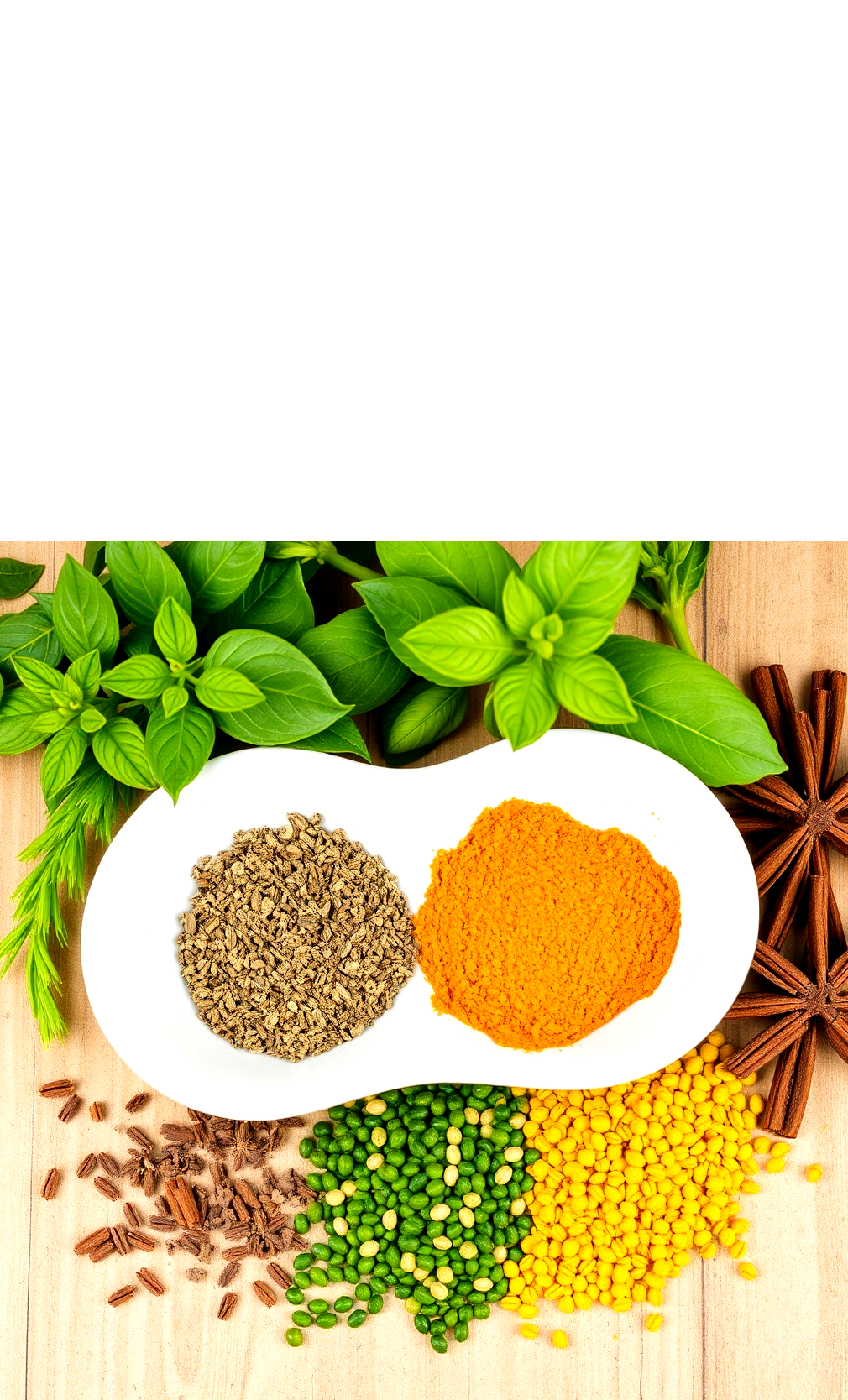
Echinacea is a powerful herb known for its ability to boost your immune system. By incorporating elderberry and echinacea into your wellness routine, you can enhance your body’s defense against seasonal ailments. Both of these natural remedies are packed with vitamins and antioxidants that may help reduce the duration and severity of colds and flu. Whether you choose to consume them in syrup, tea, or capsule form, understanding how to use these ingredients effectively can lead to a healthier, more resilient you during the changing seasons.
Understanding Seasonal Wellness
Seasonal wellness focuses on maintaining your health and immunity throughout seasonal changes. As temperatures shift and environmental factors vary, your body faces new challenges that can impact your overall well-being. Seasonal shifts often lead to increased exposure to allergens and pathogens, making it important for you to adapt your wellness strategies for optimal physical resistance and mental clarity.
Importance of Seasonal Immune Support
Supporting your immune system during seasonal changes is vital to fend off illnesses and maintain vitality. With varying temperatures and increased exposure to allergens, your body can be vulnerable. Seasonal immune support, such as elderberry and echinacea, provides crucial nutrients that enhance your body’s defense mechanisms, helping to reduce the likelihood of common colds and flu.
Key Factors Affecting Wellness During Seasonal Changes
Several factors influence your wellness during seasonal transitions. Changes in temperature can lead to increased indoor activity, potentially raising your exposure to germs. Additionally, fluctuations in daylight can impact your mood and energy levels. Personal lifestyle choices, such as nutrition and hydration, also play significant roles in how you manage seasonal wellness.
- Temperature affects exposure to germs.
- Daylight fluctuations can impact mood.
- Lifestyle choices influence wellness management.
After assessing these factors, you can better implement strategies to enhance your seasonal wellness. For example, incorporating regular exercise can elevate your mood and keep your immune system functioning effectively, while being mindful of hydration can support your overall physical health during drier months.
- Regular exercise enhances mood stability.
- Hydration is key for physical health.
- Dietary adjustments can boost immunity.
After understanding these key factors, you can implement practical steps to bolster your seasonal wellness effectively. Prioritizing a balanced diet rich in vitamins, staying active, and managing stress will create a robust foundation for meeting the challenges posed by seasonal changes.

Elderberry: A Natural Remedy
Elderberry has become increasingly popular as a natural remedy, renowned for its vibrant flavor and potential health benefits. This dark purple berry is packed with antioxidants and vitamins, making it a go-to option for those looking to bolster their wellness, especially during the cold and flu season. The Sambucus nigra plant has been used for centuries in traditional medicine, and its extracts can help you navigate seasonal challenges with greater ease.
Benefits of Elderberry for Immune Health
Elderberry is particularly beneficial for immune health due to its high concentration of anthocyanins, which possess anti-inflammatory and antiviral properties. Research indicates that elderberry may reduce the severity and duration of cold and flu symptoms, potentially decreasing recovery time by up to 50%. By integrating elderberry into your routine, you can enhance your body’s defenses while supporting overall wellness.
How to Incorporate Elderberry into Your Routine
You can easily incorporate elderberry into your daily regimen by choosing from various forms, such as syrups, gummies, capsules, or teas. A common approach is to consume elderberry syrup, typically taken one tablespoon daily during the colder months. For added convenience, elderberry gummies provide a tasty alternative for those who prefer not to ingest syrups or pills.
To optimize your elderberry intake, consider adding it to smoothies or yogurt for a nutritious boost. If you opt for syrup or teas, enjoy them in the morning or during midday for continuous immune support. Some individuals even use it as a preventive measure, beginning supplementation before the onset of cold seasons. Always consult with a healthcare professional to determine the best dosage and form suited for your needs.
Echinacea: A Time-Tested Ally
Echinacea has long stood as a trusted herb in supporting your wellness during seasonal challenges. Its history dates back centuries, with Native Americans using it for various ailments. Today, it remains a cornerstone in herbal medicine for its reputed immune-boosting properties. By harnessing the power of this plant, you can fortify your body’s defenses and enhance your resilience against seasonal discomforts.
The Role of Echinacea in Supporting Immunity
Echinacea works by stimulating your immune system, helping it respond more effectively to pathogens. Studies suggest that it may reduce the duration and severity of colds and flu symptoms. By encouraging the production of white blood cells, Echinacea equips your body to combat infections more powerfully, making it an vital ally in your wellness routine.
Tips for Effective Echinacea Use
To maximize the benefits of Echinacea, consider following these strategic tips. Begin using it at the first sign of illness for optimal results. Choose products that contain Echinacea purpurea or Echinacea angustifolia, as these types have shown higher efficacy. Aim for a dosage of 300-500 mg, taken three times a day, but consult your healthcare provider for personalized guidance. Recognizing the signs and consistency in usage can enhance your overall immune support during peak seasons.
- Choose high-quality Echinacea products
- Use at the first sign of illness
- Consult with healthcare professionals
Exploring the options of Echinacea supplements can further enhance your seasonal strategy. Look for tinctures, capsules, or teas, as each form offers unique absorption rates and convenience. For tinctures, a few drops in water may offer rapid relief, while capsules provide an easy, no-mess alternative. Maintaining consistent intake during times of need is vital for achieving robust immune support. Recognizing the best form for your lifestyle will empower you to stay ahead of seasonal health challenges.
- Explore various forms of Echinacea
- Maintain consistent intake for best effects
- Adapt your usage to your lifestyle
Combining Elderberry and Echinacea
Integrating elderberry and echinacea into your wellness routine can enhance the benefits of each herb. While elderberry excels in fighting off viruses, echinacea supports immune strength by stimulating white blood cell production. This powerful duo works synergistically, providing a broad-spectrum approach to seasonal wellness by addressing both prevention and response to illness.
Synergistic Effects for Enhanced Wellness
The combination of elderberry and echinacea offers synergistic effects that can enhance overall immune function. Elderberry is rich in antioxidants and has been shown to reduce the duration of colds, while echinacea increases the activity of your immune cells. Together, they create a fortified defense against seasonal ailments, optimizing your body’s ability to combat infections.
Recommended Dosages and Preparations
For optimal results, consider taking elderberry syrup at a dose of 1 to 2 teaspoons daily during peak illness seasons, while echinacea can be consumed in capsule form or tinctures at a dose of 300 to 500 mg every few hours when needed. Consulting with a healthcare provider can ensure the best approach for your individual needs.
When choosing specific products, look for high-quality elderberry syrups that contain at least 60% elderberry extract and prefer echinacea preparations standardized to contain an effective level of alkylamides. Always adhere to the recommended dosages on the packaging, and if you’re unsure, a healthcare professional can provide guidance tailored to your personal health profile, helping you to maximize the health benefits while minimizing potential adverse effects.
Lifestyle Tips for Seasonal Wellness
To effectively support your seasonal wellness, consider integrating simple lifestyle habits into your daily routine. These practices can enhance your immune system and overall vitality:
- Incorporate regular exercise
- Prioritize sleep quality
- Manage stress through mindfulness
- Include supportive herbs like elderberry and echinacea
- Maintain a balanced diet
The combination of these lifestyle choices can significantly bolster your defense against seasonal challenges.
Nutrition and Diet Considerations
Your diet plays a vital role in seasonal wellness. Focus on incorporating a variety of whole foods, such as fruits, vegetables, and whole grains, to provide important nutrients. Be sure to include vitamin-rich options like citrus fruits, which are known for their immune-boosting properties, alongside lean proteins for optimal health. A well-rounded approach in your nutrition not only fuels your body but also fortifies your natural defenses.
Importance of Hydration and Rest
Staying adequately hydrated and ensuring sufficient rest are fundamental components of your wellness strategy. Water assists in transporting nutrients and flushing out toxins, while sleep aids recovery and immune function. Aim for at least 8 glasses of water daily and prioritize 7-9 hours of sleep each night. The synergy between hydration and rest enables your body to function at its best, preparing you to tackle seasonal challenges effectively.
When to Seek Professional Advice
If you experience persistent symptoms after using elderberry or echinacea, or if your condition worsens, it’s time to consult a healthcare provider. While these supplements can provide support for seasonal wellness, they are not substitutes for medical intervention. Symptoms like high fever, severe pain, or respiratory difficulties warrant immediate attention, as they may signal a more serious underlying condition.
Recognizing the Signs of a Serious Illness
Be attentive to symptoms such as difficulty breathing, chest pain, or persistent high fever. These may indicate a serious illness that requires prompt medical evaluation. Additionally, if you experience confusion, extreme fatigue, or symptoms that do not improve within a few days, seek professional help. Early intervention is vital to effective treatment and recovery.
Consulting with Healthcare Professionals
Your healthcare provider can assess your health more comprehensively than self-diagnosis through symptoms alone. Discussing the use of elderberry and echinacea with them ensures your treatment plan includes safe and effective options tailored to your specific needs.
In conversations with your healthcare professional, provide a detailed account of your symptoms and any supplements you are taking. They may recommend dosage adjustments, alternative treatments, or additional tests to identify underlying conditions. For example, if you have a history of autoimmune disorders, your provider may suggest approaches that avoid stimulating the immune system. Always prioritize open communication to enhance your wellness journey.
Conclusion
Taking this into account, incorporating elderberry and echinacea into your seasonal wellness routine can significantly enhance your immune health. By choosing high-quality supplements and following recommended dosages, you can support your body’s defenses during challenging times. Alongside a balanced diet and healthy lifestyle choices, these natural remedies can empower you to navigate seasonal changes with greater resilience and vitality. Taking proactive steps now ensures you are better equipped for whatever the season may bring.
If you want more information on how herbs and spices can improve your health, just click the link to discover a series of easy-reading, science-based eBooks:
Leave a Reply