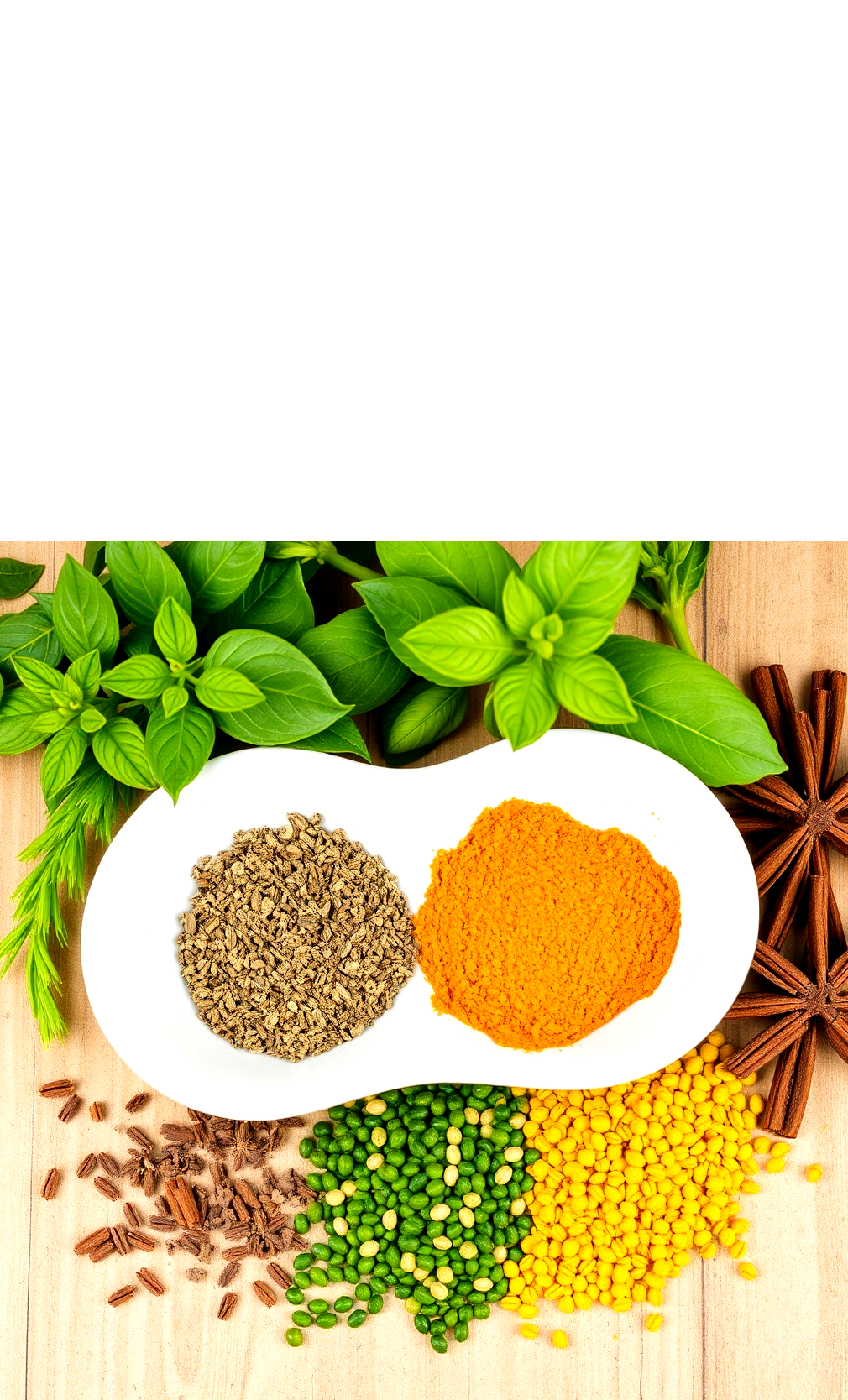
With the rising interest in natural health solutions, you may wonder how turmeric’s curcumin can impact your cellular health. This vibrant yellow compound offers remarkable potential, influencing various biological processes that may enhance your body’s resilience. Its anti-inflammatory and antioxidant properties are thought to protect against cellular damage and promote overall wellness. Exploring the science behind curcumin could reveal how it unlocks hidden potentials within your health, making it a valuable addition to your nutritional repertoire.
Key Takeaways:
- Curcumin, the active compound in turmeric, may promote cellular health by reducing inflammation and oxidative stress.
- Research indicates that curcumin can influence cellular signaling pathways related to longevity and disease prevention.
- Combining curcumin with certain compounds or methods can enhance its bioavailability and therapeutic effects.
Understanding Curcumin
Curcumin, the active compound in turmeric, is renowned for its extensive health benefits. This polyphenol is responsible for turmeric’s vibrant yellow color and offers strong anti-inflammatory, antioxidant, and antimicrobial properties. By interacting with various molecular targets, curcumin plays a critical role in modulating numerous biochemical pathways in your body, potentially promoting better cellular health and longevity.
Chemical Properties
The chemical formula of curcumin is C21H20O6, featuring a phenolic structure that contributes to its antioxidant capabilities. Its lipophilic nature aids in absorption, but the bioavailability is typically low, often necessitating combinations with piperine or fat for enhanced efficacy. These properties allow curcumin to exert significant physiological effects, influencing processes like inflammation and cell signaling.
Historical Uses
Turmeric and its primary constituent curcumin have been part of traditional medicine for over 4,000 years, particularly in Ayurvedic and Chinese medicine. Historically, practitioners utilized turmeric for its healing properties, often prescribing it for digestive issues, skin conditions, and as a dietary supplement to enhance overall wellness.
For instance, Ayurvedic texts describe turmeric as a powerful anti-inflammatory and antiseptic agent. It was commonly used in rituals and for treating wounds, infections, and even respiratory ailments. In Chinese herbal medicine, turmeric was valued for promoting blood circulation and alleviating pain, demonstrating its diverse applications throughout history. Today, modern scientific research continues to validate many of these historical uses, further solidifying curcumin’s relevance in contemporary health practices.
The Role of Curcumin in Cellular Health
Curcumin plays a vital role in enhancing cellular health through its multifaceted bioactive properties. By modulating various cellular pathways, it aids in the protection and regeneration of cells, potentially elevating your overall well-being. Research indicates that curcumin can influence cell signaling pathways and gene expression, allowing your body to better respond to stressors and maintain homeostasis, ultimately contributing to the prevention of chronic diseases.
Antioxidant Effects
Curcumin acts as a potent antioxidant, neutralizing free radicals that can cause oxidative stress and damage your cells. By reducing oxidative damage, it enhances cellular longevity and function. Studies have shown that curcumin can increase the activity of antioxidant enzymes, further promoting cellular health and resilience against various diseases.
Anti-Inflammatory Mechanisms
Curcumin’s anti-inflammatory properties are significant in cellular health. It interferes with various inflammatory pathways, including the inhibition of pro-inflammatory cytokines and enzymes, protecting your cells from damage. Clinical studies suggest diminished markers of inflammation in individuals supplementing with curcumin, linking it to improved health outcomes.
Delving deeper into curcumin’s anti-inflammatory mechanisms reveals its interaction with key signaling molecules, such as nuclear factor kappa B (NF-κB) and cyclooxygenase-2 (COX-2). By inhibiting NF-κB activity, curcumin prevents the transcription of genes involved in inflammation. Additionally, it blocks COX-2, an enzyme often upregulated in inflammatory states, thus reducing pain and swelling. Such mechanisms highlight curcumin’s potential as a therapeutic agent, offering beneficial effects in conditions like arthritis, heart disease, and even cancer. Incorporating curcumin into your daily routine may provide a powerful strategy in managing and mitigating chronic inflammation.
Curcumin and Cellular Repair
Curcumin significantly aids in cellular repair mechanisms, offering protective properties against damage while promoting regeneration. This compound enhances the body’s natural repair processes by reducing oxidative stress and inflammation, which are key factors in cellular deterioration. Incorporating curcumin into your diet may facilitate better recovery from cellular injuries, supporting overall cellular vitality.
DNA Protection
Curcumin provides robust protection for your DNA, shielding it from oxidative damage caused by free radicals. Studies demonstrate that curcumin can enhance the activity of antioxidant enzymes in your body, helping to maintain the integrity of your genetic material and potentially reducing the risk of mutations that could lead to chronic diseases.
Mitochondrial Function
Your mitochondria, as the energy powerhouses of cells, benefit greatly from curcumin, which enhances their functionality and efficiency. This compound promotes mitochondrial biogenesis, allowing for improved energy production and cellular resilience. Optimal mitochondrial function is critical for maintaining your energy levels and overall metabolic health.
Enhanced mitochondrial function through curcumin consumption is evidenced by its ability to stimulate the expression of genes associated with mitochondrial biogenesis. This action not only boosts energy production but also improves mitochondrial turnover, facilitating better adaptation to stress and reducing the likelihood of mitochondrial dysfunction, which is linked to several age-related diseases. Regular intake of curcumin can help you harness this potential, supporting your longevity and cellular energy dynamics.
Enhancing Bioavailability of Curcumin
Enhancing the bioavailability of curcumin is vital for maximizing its health benefits. Traditional turmeric supplements often lead to poor absorption in the digestive system. To overcome this, methods such as combining curcumin with black pepper extract, which contains piperine, can increase absorption significantly, sometimes by up to 2000%. Additionally, incorporating fats can further enhance its solubility and uptake in your body.
Absorption Techniques
Utilizing specific absorption techniques can optimize curcumin’s effects. For instance, combining curcumin with healthy fats like olive oil or coconut oil allows for better solubilization and assimilation. Additionally, heat can enhance extraction, making cooking with turmeric a practical option. These methods not only improve bioavailability but also elevate the overall efficacy of curcumin.
Synergistic Ingredients
Pairing curcumin with synergistic ingredients can amplify its benefits. Ingredients such as black pepper, which contains piperine, enhance curcumin absorption, while ginger provides additional anti-inflammatory properties. Other compounds like quercetin can further potentiate the overall impact of curcumin on your cellular health by working synergistically to improve antioxidant levels.
For instance, studies show that combining curcumin with quercetin achieves heightened anti-inflammatory effects compared to curcumin alone. This duo works to inhibit specific pro-inflammatory pathways, offering a more robust response to cellular stress. Additionally, pairing curcumin with omega-3 fatty acids not only improves bioavailability but also enhances the overall anti-inflammatory response, further protecting your cells from damage and promoting optimal health.
Current Research and Clinical Applications
Research into curcumin’s effects on cellular health has surged, leading to diverse clinical applications. Studies showcase its potential in combatting inflammation, oxidative stress, and various chronic diseases. Ongoing trials investigate curcumin’s role in cancer treatment, cardiovascular health, and neuroprotection, making it a focal point for innovative therapeutic strategies.
Recent Studies
Recent studies reveal curcumin’s promising effects in reducing markers of inflammation, such as CRP and IL-6, across various populations. Clinical trials have highlighted improvements in conditions like arthritis and metabolic syndrome, demonstrating curcumin’s potential as an adjunct therapy in chronic disease management.
Potential Therapeutic Uses
Curcumin’s versatility opens up potential therapeutic uses in multiple health domains. Its application spans from enhancing cognitive function in neurodegenerative disorders to supporting cardiovascular health by improving endothelial function. You might find studies evaluating curcumin’s efficacy in depression and anxiety as particularly compelling, given its ability to modulate mood-related neurotransmitters.
Exploring potential therapeutic uses of curcumin, clinical trials have shown significant improvements in brain-derived neurotrophic factor (BDNF) levels, suggesting its role in neuroprotection. In cardiovascular studies, curcumin has been associated with reduced arterial stiffness and improved lipid profiles. Furthermore, ongoing research into its applications for metabolic disorders highlights its capacity to improve insulin sensitivity and regulate blood sugar levels effectively. This expanding knowledge places curcumin at the forefront of natural interventions aimed at enhancing overall health and managing chronic conditions.

Dietary Incorporation of Turmeric
Integrating turmeric into your daily diet can be simple and rewarding. You can add fresh or powdered turmeric to smoothies, soups, and stir-fries, enhancing not only the flavor but also boosting your health. Experimenting with golden milk, a blend of turmeric, milk, and spices, can offer a comforting way to reap its benefits. Aim for about 1–2 teaspoons of turmeric per day to optimize your intake, while always considering the addition of black pepper to improve curcumin absorption.
Culinary Uses
Turmeric shines in numerous dishes, lending both color and warmth. You can use it to season roasted vegetables, incorporate it into rice dishes, or even mix it into dressings for salads. Its earthy flavor pairs well with garlic and ginger, making it a versatile addition to both savory and sweet recipes. You might also explore turmeric-infused teas or lattes for a soothing beverage option.
Supplementation Options
Choosing supplements can enhance your turmeric intake, especially if culinary applications fall short. Options range from capsules and tablets to liquid extracts, offering varying concentrations of curcumin. Some formulations combine curcumin with black pepper extract (piperine) or fats to maximize bioavailability, ensuring you get the most benefit.
Popular supplements often provide curcumin in concentrated forms, with many products containing 500–2000 mg per serving. Look for those standardized to at least 95% curcuminoids for effectiveness. Always consult your healthcare provider before starting supplements, especially if you have health conditions or take medication, as turmeric may interact with certain drugs or conditions. Formulations with additional ingredients like ginger extract can complement curcumin’s effects, enhancing both inflammation management and antioxidant activity in your body.
Summing up
From above, you can see that turmeric’s curcumin offers promising potential for enhancing your cellular health through its anti-inflammatory and antioxidant properties. By incorporating this powerful compound into your routine, you may unlock transformative benefits for your well-being. The ongoing research supports the idea that curcumin can play a significant role in various health conditions, making it a worthwhile addition to your dietary choices. Embracing turmeric could be a step toward optimizing your cellular function and overall vitality.
If this article interested you and you want to learn more try Herbs & Spices For Health: a series of easy-reading, but science-based eBooks:
https://shorturl.at/vABcX
Leave a Reply